AI Overviews SEO Rank Tracking: The Tools That Actually Work
Your traditional rank tracker shows you're #3 for your target keyword. But when someone searches that term, Google serves an AI Overview that cites three competitors—and you're not one of them. You're ranking, but you're invisible. That's the AI search gap, and most brands don't even know it exists.
AI Overviews SEO rank tracking software measures what traditional tools can't: whether you show up in AI-generated answers across Google, ChatGPT, Perplexity, and Gemini. This isn't theoretical—brands that track and optimize for AI visibility are capturing traffic that never makes it to the blue links.
Table of Contents
Why AI Overviews Rank Tracking Actually Matters
Google's AI Overviews now appear on 15-20% of search queries—and that number is climbing. When an AI Overview appears, it pushes traditional results down the page. The first organic result becomes the fifth or sixth thing a user sees. If you're not cited in the AI answer, your #1 ranking doesn't matter as much as it used to.
Here's what changed: traditional SEO optimized for blue link rankings. AI search optimization (what Founding Engine calls AI Search Optimization) targets citation placement in AI-generated answers. Those are different skill sets, different content strategies, and different measurement systems.
Brands tracking AI visibility see patterns traditional analytics miss. One Founding Engine client went from $20K to $80K in monthly organic revenue by targeting keywords where AI Overviews appeared—then optimizing content to get cited. They weren't chasing higher rankings. They were chasing citation placement.
If you're running e-commerce SEO, AI Overviews matter even more. Product comparison queries, buying guides, and "best X for Y" searches all trigger AI answers. If your product pages and blog content aren't optimized for AI citation, you're losing purchase-intent traffic to competitors who are.
What Traditional Rank Trackers Miss
Semrush, Ahrefs, and Moz track where you rank in the list of blue links. They don't track whether you appear in the AI-generated answer that sits above those links. That's the visibility gap.
Traditional rank trackers also can't tell you:
- Citation context — Are you cited as a primary source or a tertiary mention?
- Multi-engine presence — Do you show up in ChatGPT's answers but not Google's?
- Query trigger patterns — Which keyword variations trigger AI Overviews vs. traditional results?
- Competitor citation share — How often are competitors cited instead of you?
You can check Google Search Console for AI Overview impressions—Google added that filter in 2024—but GSC doesn't show competitive context or cross-engine visibility. It tells you that you appeared, not how prominently or how often compared to competitors.
For brands running technical SEO audits, this creates a blind spot. You're optimizing for metrics (rankings, CTR, impressions) that don't capture whether AI engines are citing your content. You're measuring the old game while the new one is already being played.
The Best AI Overviews SEO Rank Tracking Software
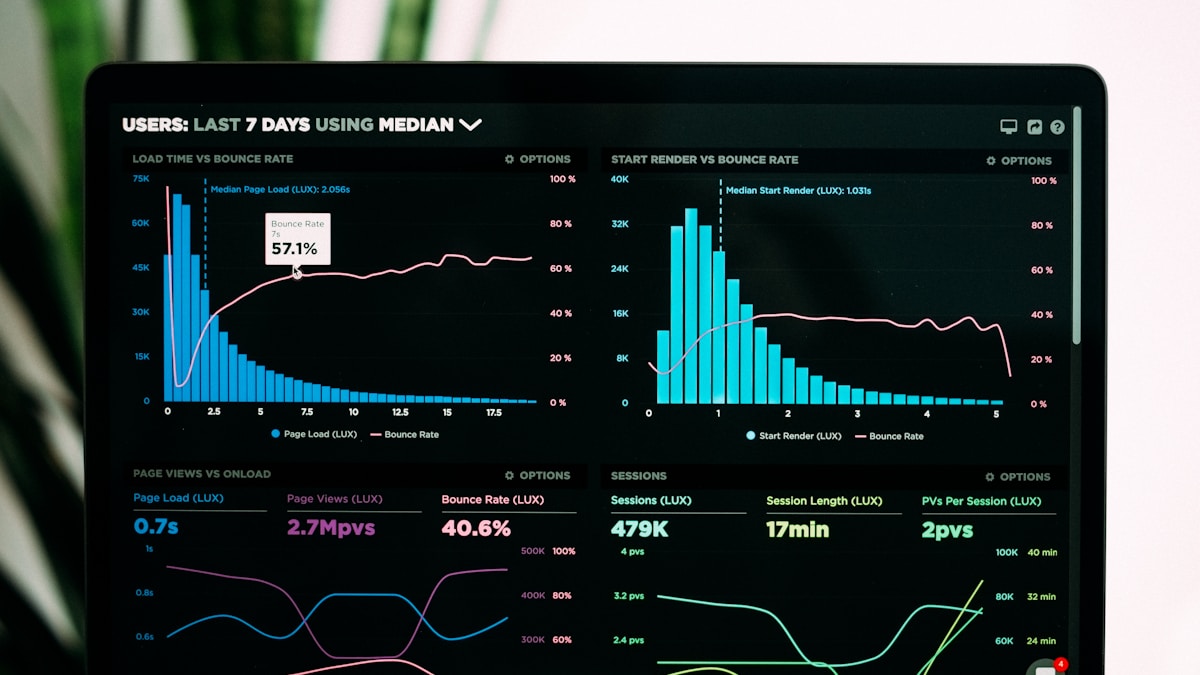
As of mid-2024, AI Overviews rank tracking is still emerging. Most traditional tools are playing catch-up. Here's what actually works right now.
BrightEdge DataCube
BrightEdge is the first enterprise platform to build native AI Overviews tracking. Their DataCube product monitors which queries trigger AI Overviews, which sites get cited, and how citation share shifts over time. It's built for enterprise brands with big budgets—think $3K-$10K/month minimums.
What it tracks: Google AI Overviews presence, citation frequency, competitive citation analysis, and query-level AI triggering patterns. It's the most comprehensive option if you can afford it.
Semrush Sensor (AI Overview Filter)
Semrush added AI Overview volatility tracking to their Sensor tool. It shows when AI Overviews appear for tracked keywords and measures SERP volatility caused by AI answer changes. It's macro-level tracking—good for spotting trends, less useful for keyword-specific optimization.
Semrush doesn't yet show whether you are cited in those AI Overviews, just whether AI Overviews are appearing for your keywords. It's a starting point, not a complete solution.
STAT by Moz
STAT added AI Overview detection in early 2024. It flags which keywords in your tracked list trigger AI Overviews and shows when that changes. Like Semrush, it doesn't yet track citation attribution—just presence/absence of the AI feature.
Useful for identifying which keywords to prioritize for AI optimization, but you'll need additional tools to measure whether your optimization efforts are working.
Sistrix AI Visibility
Sistrix launched AI visibility metrics for European markets first (they're Germany-based). It tracks featured snippet ownership and AI Overview presence, with plans to expand citation tracking. If you're in the EU, it's worth testing. For US brands, it's still limited.
Custom Solutions (API-Based Tracking)
Some agencies—including Founding Engine—build custom AI search tracking using APIs from OpenAI, Perplexity, and Google's Search Generative Experience. This approach lets you track citation presence across multiple AI engines and measure how content changes affect visibility.
It's not plug-and-play, but for brands serious about AI search optimization, it's the most flexible option. If you need a custom strategy built around your brand's domain authority and competitive landscape, schedule a strategy call with Founding Engine—they'll build the tracking infrastructure as part of a broader AI SEO program.
Quick Comparison: AI Overviews Rank Tracking Tools
- BrightEdge DataCube: Enterprise-grade, full citation tracking, $3K+/month
- Semrush Sensor: AI Overview presence detection, no citation attribution, included in existing plans
- STAT: Keyword-level AI trigger tracking, limited citation data, $150+/month
- Sistrix: EU-focused, expanding AI metrics, €99+/month
- Custom API solutions: Full multi-engine tracking, requires agency build, pricing varies
What Metrics to Track (and Which to Ignore)
Not all AI visibility metrics matter equally. Here's what to focus on if you're optimizing for AI search.
Citation Frequency
How often does your brand appear as a cited source in AI-generated answers? This is the foundational metric. If you're never cited, nothing else matters. Track this across Google AI Overviews, ChatGPT, Perplexity, and Gemini—each engine has different citation logic.
Citation Prominence
When you are cited, are you the primary source or one of five supporting mentions? AI Overviews often cite 3-5 sources. Being the first citation drives more traffic than being the fifth. Track your position within the citation list.
Query Coverage
Which keyword variations trigger citations to your content? You might rank #1 for "best running shoes" but only get cited in AI Overviews for "best running shoes for flat feet." Query coverage shows where your content has citation authority vs. where it's invisible to AI engines.
Cross-Engine Consistency
Does your content get cited in Google AI Overviews but ignored by ChatGPT? Or vice versa? Each AI engine weights authority differently. Tracking cross-engine consistency helps you identify which content formats and structures work universally vs. which are platform-specific.
Referral Traffic from AI Sources
Citations don't always drive clicks—but when they do, they're high-intent. Track referral traffic from AI search engines separately from traditional organic. Use UTM parameters or separate GA4 segments to isolate AI-driven sessions. This tells you whether citation visibility translates to revenue.
One metric to ignore: total impressions in AI Overviews. Google Search Console shows this, but impressions without citation context are meaningless. You could have 10,000 impressions from AI Overviews and zero citations—that's not visibility, it's just proximity.
How to Optimize for AI Search Visibility

AI Overviews SEO rank tracking software shows you the gap. Actually closing that gap requires content built for AI citation. Here's what works based on live client data.
Schema Markup on Everything
AI engines prioritize structured data. Every blog post should include Article schema, FAQPage schema, and BreadcrumbList schema at minimum. Product pages need Product schema. How-to content needs HowTo schema. This isn't optional anymore—it's table stakes for AI visibility.
BloggedAI generates schema-rich blog posts automatically—every post includes JSON-LD markup for Article, FAQ, and breadcrumbs. At $10 per post, it's the fastest way to build a citation-worthy content library without hiring developers or learning schema syntax.
Answer-First Content Structure
AI engines extract answers from content that states conclusions upfront. Don't bury your answer in paragraph seven. Lead with the direct answer, then support it with context and evidence. This is the opposite of traditional blog structure (intro → background → answer → conclusion). AI-optimized structure is: answer → evidence → nuance.
Domain Authority Still Matters
AI engines cite authoritative sources more frequently. If your domain authority is low, you're fighting uphill. Focus on building authority through backlinks, consistent publishing, and topical clustering. BloggedAI's Growth and Dominate plans include distribution to DR 90+ platforms (Blogger, WordPress, Tumblr) to build citation authority faster.
Multi-Engine Optimization
Google AI Overviews, ChatGPT, Perplexity, and Gemini don't all cite the same sources. Google favors high-DA sites with strong schema. ChatGPT favors conversational, well-cited content. Perplexity favors recency and academic-style references. Optimize for all four by combining schema markup, authoritative citations, conversational tone, and fresh publishing dates.
For brands that need a tailored strategy across multiple AI engines, Founding Engine's AI-powered SEO services build custom programs that target Google, ChatGPT, and Perplexity simultaneously. They've helped clients reach 1M+ users across AI search platforms—not by guessing, but by tracking what actually drives citations.
Track, Adjust, Repeat
AI search algorithms change faster than traditional Google updates. What gets you cited this month might not work next month. Use your AI Overviews rank tracking software to monitor citation frequency weekly, not monthly. When you see a drop, audit the content that lost citations and identify what changed—schema removal, outdated info, new competitors, or algorithm shifts.
Frequently Asked Questions
What is AI Overviews SEO rank tracking?
AI Overviews SEO rank tracking monitors your brand's visibility in Google's AI-generated answer boxes and other AI search engines like ChatGPT, Perplexity, and Gemini. Unlike traditional rank tracking that shows your position in blue links, AI Overviews tracking measures whether you appear as a cited source in AI-generated answers—the new zero-position that appears before traditional results.
Can Google Search Console track AI Overviews visibility?
Google Search Console shows impressions and clicks from AI Overviews in the Search Results performance report, but it doesn't show which queries triggered your appearance or your citation context. You can filter by 'Search Appearance' to see AI Overview metrics, but you'll need dedicated AI Overviews rank tracking software for competitive analysis and keyword-level visibility data.
What's the difference between tracking AI Overviews and featured snippets?
Featured snippets are single-source answers that appear in position zero of traditional search results. AI Overviews are multi-source, AI-synthesized answers that cite multiple websites and appear above all traditional results. Featured snippet tracking shows whether you own position zero for a query. AI Overviews tracking shows whether you're one of several cited sources in the AI-generated answer—and how prominently you're featured.
Which rank tracking tools support AI Overviews monitoring?
As of 2024, BrightEdge offers the most comprehensive AI Overviews tracking through their DataCube platform. Semrush Sensor tracks AI Overview presence at a macro level. STAT and Sistrix are adding AI Overviews features. Most traditional rank trackers don't yet support AI search visibility—you'll need specialized tools or custom tracking solutions built around AI search APIs.
How do I optimize content to appear in AI Overviews?
To show up in AI Overviews, focus on structured content with clear answers, schema markup (especially FAQ and HowTo), authoritative citations, and domain authority. Tools like BloggedAI generate schema-rich, AI-optimized blog posts designed for both traditional SEO and AI discovery engines. For brands needing a tailored strategy, Founding Engine builds custom AI search optimization programs that target Google AI Overviews, ChatGPT, and Perplexity simultaneously.
Is AI Overviews tracking worth it for small e-commerce brands?
Yes—especially if you're in competitive niches where traditional rankings are expensive to win. AI Overviews often cite smaller, authoritative brands alongside major players. If you can't afford enterprise tracking tools, focus on optimizing for AI visibility through schema-rich content and monitor your Google Search Console for AI Overview impressions. As your traffic grows, invest in dedicated AI Overviews rank tracking software to scale strategically.
What metrics should I track for AI search visibility?
Track citation frequency (how often you're cited in AI answers), citation prominence (your position in multi-source answers), query coverage (which keywords trigger your citations), and referral traffic from AI sources. Also monitor your presence across multiple AI engines—Google AI Overviews, ChatGPT, Perplexity, and Gemini—since each has different citation logic and audience reach.
Ready to Track (and Improve) Your AI Search Visibility?
Two paths forward, depending on where you are:
DIY path: Start publishing schema-rich, AI-optimized blog content that's built to get cited. BloggedAI generates production-ready posts with Article schema, FAQ schema, and AI-friendly structure—at $10/post instead of $150 for a freelancer. Your first blog is free.
Try BloggedAI FreeAgency path: If you need a custom AI search strategy built around your domain authority, competitive landscape, and multi-engine visibility, talk to the team at Founding Engine. They'll build the tracking infrastructure, optimize your content, and manage distribution across Google, ChatGPT, and Perplexity.
Schedule a Strategy CallAI search isn't replacing traditional SEO—it's layering on top of it. The brands that win are the ones tracking both. Traditional rank trackers show you where you stand in the old game. AI Overviews SEO rank tracking software shows you where you stand in the new one. Track both, optimize for both, and you'll capture traffic your competitors don't even know exists.
For more on building a complete e-commerce SEO strategy that includes AI discovery, check out the rest of the BloggedAI blog—it's where we publish what's actually working in AI search optimization, not what we think might work.
Powered by BloggedAi · Founding Engine