Best Dog Food for French Bulldogs: Complete Nutrition Guide 2024
Your French Bulldog's adorable wrinkled face, bat ears, and playful personality deserve the very best nutrition. But with their unique body structure, sensitive stomachs, and tendency toward allergies, choosing the right food can feel overwhelming.
The truth is, not all dog foods are created equal—especially when it comes to the specific needs of French Bulldogs. These compact, muscular companions require carefully balanced nutrition to maintain their ideal weight, support their joint health, and keep their skin and coat in top condition.

Understanding Your French Bulldog's Unique Nutritional Needs
French Bulldogs aren't just small dogs—they're a breed with distinctive characteristics that directly impact their dietary requirements. Their brachycephalic (flat-faced) structure, compact build, and predisposition to certain health conditions make nutrition particularly important.
At PawPerfect, we've seen countless Frenchie parents transform their dogs' health simply by switching to appropriate nutrition. Let's explore what makes these dogs special and what they truly need from their food.
Caloric Requirements and Weight Management
French Bulldogs are notorious for their love of food and tendency to gain weight quickly. Their stocky build means excess pounds put significant strain on their joints and respiratory system, which is already compromised by their flat faces.
Adult Frenchies typically need between 25-30 calories per pound of body weight daily. This means a 25-pound French Bulldog requires approximately 625-750 calories per day, depending on activity level.
Protein Requirements for Muscle Maintenance
Despite their small size, French Bulldogs are surprisingly muscular. They need high-quality protein to maintain lean muscle mass while avoiding excessive fat that leads to obesity.
Look for foods with at least 22-25% protein for adults and 28-30% for puppies. The protein source matters too—whole meats like chicken, turkey, lamb, or fish should be the first ingredient, not meat by-products or meals.
Key Ingredients to Look for in the Best Dog Food for French Bulldogs
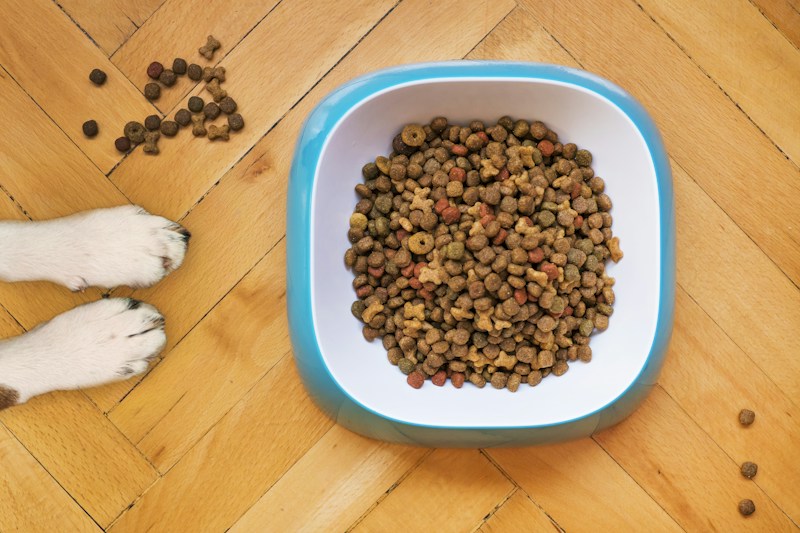
Reading dog food labels can feel like deciphering a foreign language. Here's what you should prioritize when selecting food for your Frenchie.
High-Quality Animal Proteins
The foundation of any excellent French Bulldog diet is quality animal protein. Look for these ingredients at the top of the list:
- Deboned chicken, turkey, or duck – Highly digestible lean proteins
- Salmon or whitefish – Excellent for skin health and provides omega-3 fatty acids
- Lamb or venison – Novel proteins good for dogs with common protein sensitivities
- Beef – Rich in nutrients but monitor for allergies as some Frenchies are sensitive
Healthy Fats for Skin and Coat
French Bulldogs need moderate fat levels (around 12-16%) to maintain their skin and coat health without promoting obesity. Beneficial fat sources include:
- Chicken fat (preserved with mixed tocopherols)
- Fish oil rich in omega-3 fatty acids
- Flaxseed for additional omega-3s
- Sunflower oil for omega-6 fatty acids
Digestible Carbohydrates
Contrary to popular belief, carbohydrates aren't evil. Your Frenchie needs digestible carbs for energy and fiber for gut health. Quality options include:
- Sweet potatoes – Nutrient-dense and easy to digest
- Brown rice – Gentle on sensitive stomachs
- Oatmeal – High in fiber and beneficial for digestion
- Peas and lentils – Provide protein and fiber
Joint-Supporting Supplements
French Bulldogs' compact structure puts stress on their joints. Look for foods containing:
- Glucosamine and chondroitin for cartilage health
- Omega-3 fatty acids to reduce inflammation
- Antioxidants like vitamin E and C
Ingredients to Avoid in French Bulldog Food
Knowing what to avoid is just as important as knowing what to include. French Bulldogs have sensitive digestive systems and are prone to allergies, making certain ingredients problematic.
Common Allergens and Irritants
| Ingredient | Why to Avoid |
|---|---|
| Corn, wheat, and soy | Common allergens that provide little nutritional value; often used as cheap fillers |
| Artificial preservatives (BHA, BHT, ethoxyquin) | Potentially harmful chemicals linked to health issues |
| Artificial colors and flavors | Unnecessary additives that may trigger sensitivities |
| By-products and meals | Lower quality protein sources with inconsistent nutritional value |
| Excessive fat content (over 18%) | Contributes to obesity and pancreatitis risk |
"After switching our Frenchie to a limited-ingredient diet recommended by PawPerfect, his skin allergies cleared up within three weeks. We learned that the chicken by-product in his old food was the culprit." – Sarah M., Frenchie owner
Special Dietary Considerations for French Bulldogs
Managing Food Allergies and Sensitivities
Up to 30% of French Bulldogs experience food allergies or sensitivities at some point. Common symptoms include itchy skin, ear infections, digestive upset, and excessive licking of paws.
If your Frenchie shows signs of food allergies, consider a limited-ingredient diet featuring a single novel protein source like duck, venison, or rabbit. Elimination diets, conducted under veterinary supervision, can help identify specific triggers.
Kibble Size and Shape Matters
French Bulldogs' brachycephalic faces make eating challenging. They struggle to pick up small, round kibble and can gulp food too quickly, leading to choking or bloat.
Look for breeds-specific formulas with uniquely shaped kibble designed for flat-faced dogs. Alternatively, slightly moistening dry food makes it easier to eat and aids hydration.
Addressing Flatulence Issues
Let's be honest—French Bulldogs are infamous for their gas. While some flatulence is normal, excessive gas indicates digestive issues or food intolerance.
To minimize gas, choose highly digestible foods with probiotics and prebiotics. Avoid foods high in fermentable fibers like beans or cruciferous vegetables. Feeding smaller, more frequent meals also helps reduce air intake.

Dry Food vs. Wet Food vs. Raw Diets
The debate over the best type of food for French Bulldogs continues, with passionate advocates for each approach. The reality is that each option has merits and drawbacks.
Dry Kibble Benefits
Dry food remains the most popular choice for good reasons. It's convenient, cost-effective, and helps maintain dental health through mechanical cleaning action. Quality kibble provides complete, balanced nutrition in an easy-to-store format.
For French Bulldogs, choose kibble specifically formulated for small breeds or brachycephalic dogs. The appropriate size and shape make eating easier and more enjoyable.
Wet Food Advantages
Canned or wet food offers higher moisture content, which benefits French Bulldogs who don't drink enough water. It's also more palatable for picky eaters and easier for dogs with dental issues to consume.
The downside? Wet food is more expensive, spoils quickly once opened, and doesn't provide the dental benefits of kibble. Many owners find success with a combination approach—primarily kibble with some wet food mixed in.
Raw and Homemade Diets
Raw feeding has gained popularity, with proponents citing improved coat condition, better digestion, and increased energy. However, raw diets require careful planning to ensure nutritional completeness and carry risks of bacterial contamination.
If you're interested in raw feeding your Frenchie, work with a veterinary nutritionist to formulate a balanced plan. Commercial raw food products offer convenience while minimizing some risks associated with home-prepared raw diets.
Feeding Guidelines and Schedules
How you feed your French Bulldog is almost as important as what you feed them. Proper portion control and meal timing prevent obesity while supporting optimal digestion.
Portion Control for Different Life Stages
Puppies (8 weeks to 12 months): Feed 3-4 small meals daily, totaling about 1.5-2 cups of puppy-specific food. Puppies need more calories per pound than adults to support rapid growth.
Adults (1-7 years): Two meals daily, totaling 1.5-2.5 cups depending on size and activity level. Adjust portions based on body condition—you should be able to feel ribs easily but not see them prominently.
Seniors (7+ years): Continue two meals daily but consider senior-specific formulas with reduced calories and added joint support. Monitor weight closely as activity decreases with age.
Meal Timing Best Practices
Establish consistent feeding times, ideally morning and evening. This routine aids digestion and helps with house training. Avoid feeding immediately before or after vigorous exercise to reduce bloat risk.
Remove uneaten food after 20-30 minutes to prevent grazing behavior and maintain food freshness. Fresh water should be available at all times, though some owners limit water intake immediately before bedtime to reduce nighttime bathroom needs.
Pro Tip: Use a measuring cup or kitchen scale to ensure accurate portions. Studies show that most dog owners overestimate appropriate serving sizes by 30-50%, contributing to the obesity epidemic.
Transitioning to New Food Safely
French Bulldogs' sensitive stomachs make gradual food transitions essential. Abrupt diet changes often result in vomiting, diarrhea, or refusal to eat.
Follow this seven-day transition schedule when introducing the best dog food for French Bulldogs:
- Days 1-2: 75% old food, 25% new food
- Days 3-4: 50% old food, 50% new food
- Days 5-6: 25% old food, 75% new food
- Day 7: 100% new food
Monitor your Frenchie closely during transitions. Temporary soft stools are normal, but persistent diarrhea, vomiting, or loss of appetite warrant slowing the transition or consulting your veterinarian.
Supplements and Treats for French Bulldogs
Even with the best dog food, some French Bulldogs benefit from targeted supplementation. Common beneficial supplements include:
- Probiotics: Support digestive health and reduce gas
- Omega-3 fatty acids: Improve skin and coat condition, reduce inflammation
- Joint supplements: Glucosamine and chondroitin for mobility support
- Digestive enzymes: Aid nutrient absorption in dogs with sensitive stomachs
Always consult your veterinarian before adding supplements, as over-supplementation can cause problems. Many high-quality foods already contain adequate levels of these nutrients.
Healthy Treat Options
Treats should comprise no more than 10% of your Frenchie's daily caloric intake. Healthy options include:
- Small pieces of cooked lean meat
- Carrot sticks or apple slices (no seeds)
- Blueberries and strawberries
- Plain, air-popped popcorn
- Commercial treats formulated for small breeds
Avoid high-calorie, high-fat treats, and never feed chocolate, grapes, onions, garlic, or xylitol-containing products, which are toxic to dogs.
Frequently Asked Questions About French Bulldog Nutrition
Nourishing Your Frenchie for a Longer, Healthier Life
Choosing the best dog food for French Bulldogs isn't about finding the most expensive brand or following the latest trend. It's about understanding your individual dog's needs, selecting high-quality ingredients, and maintaining consistency in feeding practices.
Your Frenchie depends on you to make informed decisions about their nutrition. By prioritizing quality protein sources, avoiding common allergens, managing portions carefully, and monitoring your dog's response to their diet, you're setting the foundation for years of health and happiness.
Remember that every French Bulldog is unique. What works perfectly for one may not suit another. Pay attention to your dog's energy levels, coat condition, stool quality, and overall demeanor—these are the best indicators that you've found the right nutritional approach.
At PawPerfect, we're committed to helping you make the best choices for your beloved companion. Whether you're dealing with allergies, weight management, or simply want to optimize your Frenchie's nutrition, the right food makes all the difference. Your wrinkly-faced friend deserves nothing but the best, and with the information in this guide, you're well-equipped to provide exactly that.