Best Dog Food for Itchy Skin: Your Complete Guide to Soothing Relief
There's nothing more heartbreaking than watching your beloved dog scratch incessantly, bite at their paws, or rub against furniture trying to find relief. If your furry friend is dealing with persistent itchy skin, you're not alone—skin allergies and sensitivities affect millions of dogs every year, and food plays a much bigger role than most pet parents realize.

The good news? Choosing the right diet can make a dramatic difference in your dog's comfort and quality of life. In this comprehensive guide, we'll explore the best dog food for itchy skin, help you understand what ingredients to look for (and avoid), and give you practical strategies to help your pup find lasting relief.
Understanding the Connection Between Diet and Itchy Skin
Before diving into specific food recommendations, it's essential to understand why diet matters so much for skin health. Your dog's skin is their largest organ, and it requires proper nutrition to maintain its protective barrier function.
Food allergies and sensitivities are among the top three causes of skin problems in dogs. Unlike environmental allergies that come and go seasonally, food-related skin issues persist year-round and typically worsen over time without intervention.
When dogs consume ingredients their immune system perceives as threats, it triggers an inflammatory response. This inflammation manifests as itching, redness, hot spots, ear infections, and sometimes even digestive upset.
Common Signs Your Dog's Itchy Skin May Be Food-Related
- Constant scratching, especially around the face, paws, ears, and belly
- Red, inflamed skin or recurring hot spots
- Chronic ear infections or head shaking
- Excessive paw licking or chewing
- Hair loss or thinning coat
- Skin that smells yeasty or unpleasant
- Digestive issues accompanying the skin problems
Key Ingredients to Look for in the Best Dog Food for Itchy Skin
Not all dog foods are created equal when it comes to managing skin sensitivities. The best formulas share several important characteristics that support skin health and reduce allergic reactions.
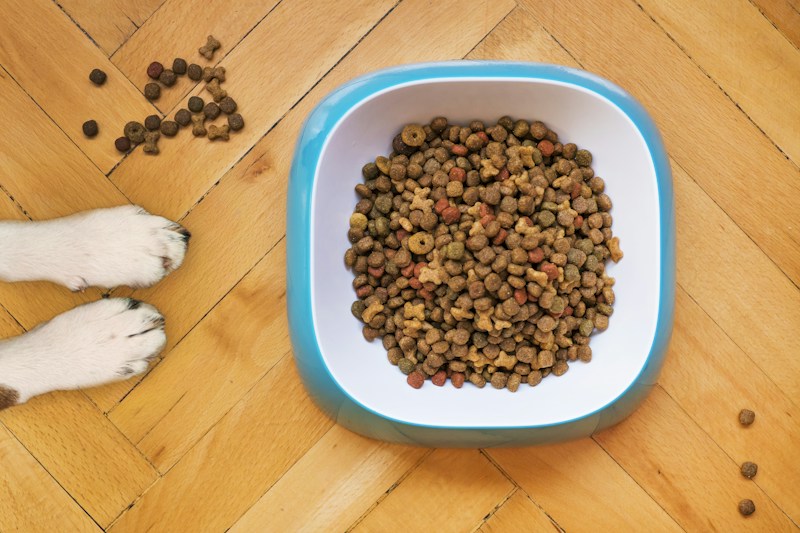
Novel Protein Sources
Novel proteins are proteins your dog hasn't been exposed to before. Since dogs can't be allergic to something they've never eaten, these proteins are less likely to trigger reactions.
Excellent novel protein options include duck, venison, rabbit, kangaroo, bison, and various fish species like salmon or whitefish. At PawPerfect, we emphasize the importance of selecting proteins based on your individual dog's dietary history.
Omega-3 Fatty Acids
Omega-3 fatty acids are powerful anti-inflammatory nutrients that support skin health from the inside out. They help strengthen the skin barrier, reduce inflammation, and promote a healthy, shiny coat.
Look for foods containing fish oil, flaxseed, or algae-based omega-3s. The ratio of omega-6 to omega-3 fatty acids should ideally be between 5:1 and 10:1 for optimal skin health.
Limited Ingredient Formulas
The fewer ingredients in your dog's food, the easier it is to identify potential allergens. Limited ingredient diets (LID) typically contain one protein source and one or two carbohydrate sources, making them ideal for elimination diets.
These simplified formulas reduce the likelihood of triggering allergic reactions while still providing complete and balanced nutrition.
Digestive Support
A healthy gut contributes to healthy skin. Look for foods containing prebiotics, probiotics, and digestive enzymes that support optimal nutrient absorption and immune function.
Ingredients like pumpkin, sweet potato, and chicory root provide fiber that feeds beneficial gut bacteria, which in turn supports overall immune health and reduces inflammatory responses.
Pro Tip: The best dog food for itchy skin should list a specific, identifiable protein as the first ingredient (like "deboned salmon" or "duck meal"), not generic terms like "meat" or "poultry by-products."
Ingredients to Avoid When Managing Itchy Skin
Just as important as knowing what to include is understanding what to avoid. Certain ingredients are common allergens or irritants that can exacerbate skin problems.
Common Allergen Proteins
Beef, chicken, dairy, and eggs are the most common food allergens in dogs. While not every dog reacts to these proteins, they're worth eliminating if your pup has persistent skin issues.
Many commercial dog foods contain multiple protein sources, making it difficult to pinpoint the culprit. This is why single-protein formulas are so valuable for dogs with sensitivities.
Artificial Additives
Artificial colors, flavors, and preservatives serve no nutritional purpose and can trigger sensitivities in some dogs. Look for foods preserved with natural alternatives like mixed tocopherols (vitamin E).
Common Grain Allergens
While grain allergies are less common than protein allergies, wheat, corn, and soy can cause problems for some dogs. These ingredients are also often used as inexpensive fillers that provide minimal nutritional value.
However, it's important to note that not all grains are problematic. Ancient grains like quinoa, millet, and oats are less likely to cause reactions and can provide beneficial nutrients.
| Ingredient Type | Avoid | Better Alternatives |
|---|---|---|
| Proteins | Beef, chicken, dairy, eggs | Duck, venison, salmon, rabbit |
| Grains | Wheat, corn, soy | Sweet potato, peas, oats, quinoa |
| Additives | Artificial colors, BHA, BHT, ethoxyquin | Mixed tocopherols, rosemary extract |
| Fillers | Corn gluten, wheat middlings, by-products | Whole meats, identifiable vegetables |
Types of Dog Food Formulas for Skin Sensitivities
Several specialized food categories are designed specifically for dogs with allergies and sensitivities. Understanding the differences helps you choose the right approach for your dog.

Hypoallergenic Dog Food
True hypoallergenic dog food uses hydrolyzed proteins—proteins broken down into such small molecular sizes that the immune system doesn't recognize them as allergens. These prescription diets are often recommended by veterinarians for severe cases.
While highly effective, hydrolyzed protein diets can be expensive and less palatable than regular food. They're best used under veterinary supervision as part of a comprehensive treatment plan.
Limited Ingredient Diets
As mentioned earlier, limited ingredient diets simplify the formula to minimize potential allergen exposure. These foods are excellent for elimination diets and long-term management of sensitivities.
Most quality LID formulas contain 6-10 ingredients total, making it easy to track what your dog is consuming and identify any problematic ingredients.
Novel Protein Diets
These diets feature proteins your dog has never eaten before, reducing the likelihood of allergic reactions. They're particularly useful when you've already tried common proteins without success.
The key is ensuring the novel protein truly is novel to your dog. Check previous food labels carefully to confirm your dog hasn't been exposed to that protein source before.
Grain-Free Options
Grain-free diets replace traditional grains with alternative carbohydrates like sweet potatoes, peas, or lentils. They can be helpful for dogs with confirmed grain sensitivities.
However, recent research has raised questions about potential links between grain-free diets and heart health in some dogs. Consult with your veterinarian before making this dietary choice, especially for breeds predisposed to heart conditions.
Implementing an Elimination Diet
If you're unsure what's causing your dog's itchy skin, an elimination diet is the gold standard for identifying food allergies. This systematic approach helps pinpoint specific triggers.
An elimination diet involves feeding your dog a novel protein and carbohydrate source they've never eaten for 8-12 weeks. During this time, absolutely no treats, table scraps, or flavored medications are allowed—only the elimination diet food and water.
After the elimination period, you gradually reintroduce previous food ingredients one at a time, watching for any return of symptoms. This process requires patience and discipline but provides definitive answers about your dog's triggers.
"The elimination diet can be challenging, but it's the most reliable way to identify food allergies. Consistency is absolutely crucial—even a small treat can invalidate weeks of progress." - Veterinary Dermatology Specialists
Supporting Skin Health Beyond Diet
While choosing the best dog food for itchy skin is crucial, a holistic approach yields the best results. Several complementary strategies can enhance your dog's skin health.
Supplements for Skin Health
Even with high-quality food, targeted supplements can provide additional support. Fish oil supplements deliver concentrated omega-3s, while probiotics support gut health and immune function.
Other beneficial supplements include vitamin E, biotin, and zinc, which all play roles in maintaining healthy skin and coat. Always consult your veterinarian before adding supplements to ensure appropriate dosing.
Proper Grooming Practices
Regular bathing with hypoallergenic, medicated, or oatmeal-based shampoos can soothe irritated skin and remove allergens from the coat. However, over-bathing can strip natural oils, so aim for once every 2-4 weeks unless your vet recommends otherwise.
Brushing distributes natural oils, removes dead hair and skin cells, and gives you an opportunity to check for hot spots or other skin issues early.
Environmental Considerations
Sometimes what seems like a food allergy is actually an environmental allergy or a combination of both. Common environmental triggers include pollen, dust mites, mold, and cleaning products.
Wiping your dog's paws after walks, using air purifiers, and choosing pet-safe cleaning products can reduce overall allergen exposure and complement dietary changes.
When to Consult Your Veterinarian
While dietary changes can make a tremendous difference, some situations require professional veterinary care. Don't hesitate to seek help if your dog experiences any of the following:
- Severe scratching that causes wounds or bleeding
- Signs of infection like pus, severe redness, or foul odor
- Rapid hair loss or bald patches
- Behavioral changes due to discomfort
- No improvement after 8-12 weeks on a new diet
- Concurrent symptoms like vomiting, diarrhea, or lethargy
Your veterinarian can perform allergy testing, prescribe medications to manage symptoms, and rule out other conditions like parasites, infections, or hormonal imbalances that can mimic food allergies.
The team at PawPerfect always recommends working closely with your veterinarian when addressing persistent skin issues to ensure your pup receives comprehensive care.
Frequently Asked Questions
Helping Your Dog Find Lasting Comfort
Watching your dog suffer from itchy, irritated skin is difficult, but you now have the knowledge to make informed decisions about their diet. Remember that finding the best dog food for itchy skin often requires patience, careful observation, and sometimes a bit of trial and error.
Start by identifying potential allergens in your dog's current diet, then transition to a limited ingredient or novel protein formula. Give the new food adequate time to work—at least 8-12 weeks—before deciding whether it's effective.
Support your dog's dietary changes with proper grooming, environmental management, and regular veterinary care. The combination of these approaches gives your furry friend the best chance at relief.
At PawPerfect, we're committed to helping pet parents navigate the sometimes overwhelming world of pet nutrition. Whether you're just beginning to address your dog's skin issues or you've been searching for solutions for a while, remember that relief is possible with the right approach.
Your dog depends on you to make the best choices for their health and wellbeing. With the information in this guide, you're well-equipped to help them find the comfort they deserve. Here's to happier, healthier, and itch-free days ahead for your beloved companion!