Best Exercises to Train for Handstand: Your Complete Guide to Defying Gravity

There's something undeniably powerful about holding a perfect handstand. It's not just a party trick—it's a testament to your strength, balance, and body control that turns heads and builds genuine athletic capability.
But here's the truth: most people approach handstand training completely wrong. They kick up against a wall a few times, get frustrated, and give up thinking they "just don't have the strength" or "aren't built for it."
The reality? Anyone can learn a handstand with the right progression and the best exercises to train for handstand mastery. At FitForge, we've helped thousands transform from complete beginners to confident handstand holders, and we're about to share the exact blueprint that works.
Understanding the Handstand: More Than Just Strength
Before diving into specific exercises, let's shatter a common misconception: handstands aren't purely about brute strength. They're a complex skill that requires four key components working together.
Shoulder strength and stability form your foundation. Your shoulders must support your entire bodyweight while maintaining proper alignment and making constant micro-adjustments.
Core control keeps your body in a straight line. Without it, you'll banana-back or pike, making balance nearly impossible regardless of your shoulder strength.
Wrist conditioning is often overlooked but critical. Your wrists need to adapt to bearing load at extreme angles, and rushing this process leads to pain and injury.
Proprioception and balance are what separate a wall-assisted handstand from a freestanding hold. This spatial awareness develops through consistent practice and specific drills.
Essential Foundation: Wrist Preparation
Your wrists are the unsung heroes of handstand training. Neglect them, and you'll hit a painful wall fast. These preparatory exercises should begin every handstand training session.
Wrist Circles and Flexion/Extension
Start with 10 circles in each direction, then perform 10 reps of wrist flexion and extension. Place your palms flat on the ground with fingers pointing toward your knees, then gently rock forward and back.
This simple drill increases blood flow and prepares the connective tissue for the demands ahead. Don't skip it—two minutes of prep prevents weeks of recovery.
Plank to Down Dog Transitions
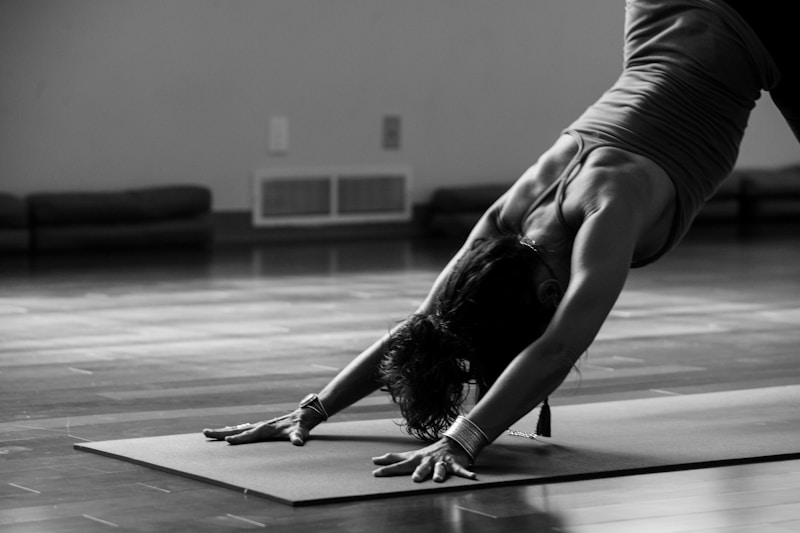
Begin in a plank position, then push your hips up and back into downward dog, shifting weight onto your hands. Hold for 3 seconds, then return to plank. Perform 10-15 slow, controlled transitions.
This movement dynamically loads your wrists at various angles while building shoulder endurance. It's functional preparation that directly transfers to handstand work.
Building Your Shoulder Foundation
Strong, stable shoulders are non-negotiable for handstand success. These exercises develop the specific strength patterns you need.
Pike Push-Ups
Pike push-ups are the gold standard for building handstand-specific pressing strength. Start in downward dog, then bend your elbows to lower your head toward the ground, keeping your hips high.
Aim for 3 sets of 8-12 reps. As you get stronger, elevate your feet on a box or bench to increase the load and angle, bringing you closer to a true vertical press.
Shoulder Taps in Plank
Hold a solid plank position, then lift one hand to tap the opposite shoulder. Alternate sides while keeping your hips square and stable—no rotation allowed.
This exercise builds the shoulder stability and anti-rotation core strength essential for handstand balance. Perform 3 sets of 20 total taps (10 per side).
Wall Walks
Start in a push-up position with your feet against a wall. Walk your feet up the wall while walking your hands back toward the wall, getting as vertical as comfortable. Hold briefly, then walk back down.
Wall walks build confidence being inverted while developing the exact shoulder endurance you need. Start with 5 reps and gradually increase both the hold time and number of reps.
Core Strength: The Invisible Foundation
Your core is what transforms a shaky, compensated handstand into a solid, controlled hold. These exercises develop the specific core patterns handstands demand.
Hollow Body Holds
Lie on your back, press your lower back into the floor, and lift your shoulders and legs off the ground. Arms extend overhead, creating a "hollow" shape with your body.
This is the exact body position you need in a handstand. Hold for 30-60 seconds for 3-4 sets. If it's too difficult, bend your knees or keep your arms by your sides initially.
Boat Pose Progressions
Sit with knees bent and feet flat. Lean back slightly and lift your feet off the ground, extending your arms forward. For advanced work, straighten your legs into a full V-sit.
Hold for 20-30 seconds for 3 sets. This builds the hip flexor and lower abdominal strength crucial for maintaining alignment overhead.
Dead Bug Variations
Lie on your back with arms extended toward the ceiling and knees bent at 90 degrees. Slowly lower opposite arm and leg while keeping your back flat on the ground.
This anti-extension exercise teaches your core to resist arching—the same skill needed to prevent banana-backing in your handstand. Perform 3 sets of 10 reps per side.
The Best Exercises to Train for Handstand: Progressive Drills
Now we're getting to the meat of handstand training—the exercises that directly build your inverted skills. Progress through these systematically rather than jumping ahead.
Wall-Facing Handstand Holds
This is arguably the single most important exercise for handstand development. Face the wall, place your hands about 6 inches away, and walk your feet up until your chest nearly touches the wall.
Focus on pushing through your shoulders (not sagging), keeping your core tight, and your body as vertical as possible. Start with 3 sets of 15-30 second holds and gradually increase to 60+ seconds.
Wall-facing holds are superior to back-to-wall because they force proper shoulder positioning and prevent the banana-back compensation pattern that's hard to unlearn.
Chest-to-Wall Shoulder Taps
Once you're comfortable holding a wall-facing handstand, add shoulder taps. Shift your weight slightly to one side and tap your opposite shoulder. Alternate sides slowly and controlled.
This drill develops the weight-shifting ability and shoulder stability essential for freestanding balance. Start with 3 sets of 6-10 total taps.
Back-to-Wall Kick-Up Practice
While wall-facing holds build strength, back-to-wall practice helps you master the kick-up entry. Stand facing away from the wall, place your hands down, and kick one leg up while the other follows.
The goal isn't to crash into the wall—use it as a safety net while you develop the feel for the right amount of momentum. Practice 10-15 kick-ups per session, focusing on control rather than force.
Freestanding Balance Drills
Once you can hold a wall-facing handstand for 45+ seconds, start working freestanding attempts. Kick up with control, focusing on stacking your shoulders over your hands and your hips over your shoulders.
Expect to hold for just 1-3 seconds initially—that's normal. The key is accumulating time inverted. Aim for 50-100 total attempts per week, which sounds like a lot but takes only 15-20 minutes daily.
Stomach-to-Wall Handstand Walking
Get into a wall-facing handstand, then "walk" your hands away from the wall one at a time. Move just a few inches, hold, then walk back. This controlled movement develops serious balance and strength.
Start by moving just one hand at a time, then progress to multiple "steps." This exercise bridges the gap between wall-supported and freestanding handstands.
Programming Your Handstand Training
Having the best exercises to train for handstand mastery means nothing without proper programming. Here's how to structure your training for maximum progress.
| Training Phase | Focus | Frequency | Duration |
|---|---|---|---|
| Foundation (Weeks 1-4) | Wrist prep, pike push-ups, hollow holds, wall walks | 4-5 days/week | 20-30 minutes |
| Strength Building (Weeks 5-8) | Wall-facing holds, shoulder taps, core work | 4-6 days/week | 25-35 minutes |
| Balance Development (Weeks 9-16) | Freestanding attempts, wall walks, kick-up practice | 5-6 days/week | 20-30 minutes |
| Refinement (Weeks 17+) | Freestanding holds, handstand walking, press progressions | 4-5 days/week | 15-25 minutes |
The beauty of handstand training is that it's skill-based, not exhaustive. You can practice daily because you're training your nervous system more than purely fatiguing your muscles.
Keep individual sessions relatively short (15-30 minutes) but frequent. This approach builds skill faster than long, infrequent sessions that leave you too fatigued to maintain quality.
Common Mistakes That Stall Progress
Even with the right exercises, certain mistakes can keep you stuck. Avoid these progress-killers to accelerate your handstand journey.
Skipping the Foundation Phase
The sexiest part of handstand training is the freestanding hold, but jumping there too quickly builds bad habits. Spend adequate time on wall-facing holds and strength work—your future self will thank you.
Think of it like building a house. You wouldn't skip the foundation to get to the roof faster. The same logic applies here.
Practicing Only Back-to-Wall
Back-to-wall handstands feel safer and easier, but they teach poor alignment. You'll develop a banana-back position that's incredibly difficult to correct later. Prioritize wall-facing work for proper positioning.
Inconsistent Practice
Handstands are a skill that requires frequent practice. Training once or twice weekly won't cut it. You need 4-6 sessions per week minimum to build the neural patterns for balance.
The good news? Sessions can be short. Even 10-15 minutes daily beats an hour-long session once per week.
Neglecting Mobility Work
Tight shoulders, thoracic spine, or hip flexors force compensation patterns that make handstands harder. Include 5-10 minutes of mobility work focusing on shoulder flexion and thoracic extension.
Ready to accelerate your handstand journey? The team at FitForge offers personalized training programs designed to take you from beginner to freestanding handstand holder. Our progressive approach builds strength, skill, and confidence systematically.
Troubleshooting Your Handstand
Running into specific issues? Here's how to diagnose and fix common handstand problems.
Problem: Banana-Back Arch
Solution: Double down on hollow body holds and wall-facing handstand work. Focus on pulling your ribs down and squeezing your glutes. Film yourself from the side to see if you're actually as straight as you feel.
Problem: Falling Forward Constantly
Solution: You're likely not pushing through your shoulders enough. Think about "pushing the ground away" and elevating your shoulder blades. Also ensure your hands are shoulder-width apart—too narrow makes balance harder.
Problem: Wrist Pain
Solution: Back off volume temporarily and emphasize wrist preparation. Ensure you're distributing weight across your entire hand, not just the heel. Consider using parallettes or fists on mats to reduce wrist extension.
Problem: Can't Kick Up with Control
Solution: Practice kick-ups in slow motion. Focus on a smooth, powerful push from your standing leg rather than a wild throw. Your shoulders should be past your hands before your feet leave the ground.
Frequently Asked Questions
Transform Your Training Starting Today
The handstand is more than just an impressive skill—it's a journey that builds strength, body awareness, and mental resilience. Every attempt teaches you something, whether it's a successful hold or a graceful bail.
The best exercises to train for handstand mastery aren't secrets locked away in elite gymnastics gyms. They're accessible movements you can start practicing today with nothing but a wall and some floor space. What separates those who succeed from those who give up isn't genetics or natural talent—it's consistent, intelligent practice.
Start with the foundation exercises. Build your wrist resilience, shoulder strength, and core control. Progress to wall-facing holds and accumulate time inverted. Then gradually reduce your reliance on the wall through balance drills and freestanding attempts.
The process takes months, not weeks. But if you commit to 15-20 minutes of focused practice most days, you'll be shocked by how quickly progress comes. Three months from now, you could be holding your first freestanding handstand. Six months from now, you could be walking on your hands.
At FitForge, we believe in bold goals backed by smart training. The handstand represents everything we stand for—challenging yourself, building real capability, and achieving things you once thought impossible. Your handstand journey starts with a single practice session. Make today that day.