Best Green Tea for Health: Your Complete Guide to Choosing Quality Tea

Scrolling through your social media feed, you've probably seen countless influencers sipping on vibrant green matcha lattes or elegant cups of steaming green tea. But beyond the aesthetic appeal, green tea has earned its reputation as one of the most powerful beverages for supporting your health and wellness journey.
With so many varieties available—from ceremonial matcha to delicate sencha—choosing the best green tea for health can feel overwhelming. This comprehensive guide will help you navigate the world of green tea, understand what makes certain varieties superior, and discover how to incorporate this ancient beverage into your modern wellness routine.
Understanding What Makes Green Tea a Health Powerhouse
Green tea isn't just a trendy beverage—it's backed by centuries of traditional use and modern scientific research. The secret lies in its unique processing method that preserves powerful plant compounds called polyphenols.
Unlike black tea, which undergoes oxidation, green tea leaves are quickly steamed or pan-fired after harvesting. This minimal processing preserves catechins, particularly epigallocatechin gallate (EGCG), which is responsible for many of green tea's health benefits.
The Science Behind Green Tea's Benefits
Research has shown that regular green tea consumption may support various aspects of health. The antioxidants in green tea help combat oxidative stress, which is linked to premature aging and various health concerns.
Green tea also contains L-theanine, an amino acid that promotes calm alertness without the jitters often associated with coffee. This unique combination of caffeine and L-theanine creates a balanced energy boost perfect for busy college schedules or early morning study sessions.
"The combination of antioxidants, amino acids, and moderate caffeine makes green tea one of the most well-rounded beverages for supporting overall wellness and mental clarity."
Top Varieties: Finding the Best Green Tea for Health
Not all green teas are created equal. Different varieties offer varying levels of antioxidants, flavor profiles, and health benefits. Let's explore the top contenders for the title of best green tea for health.
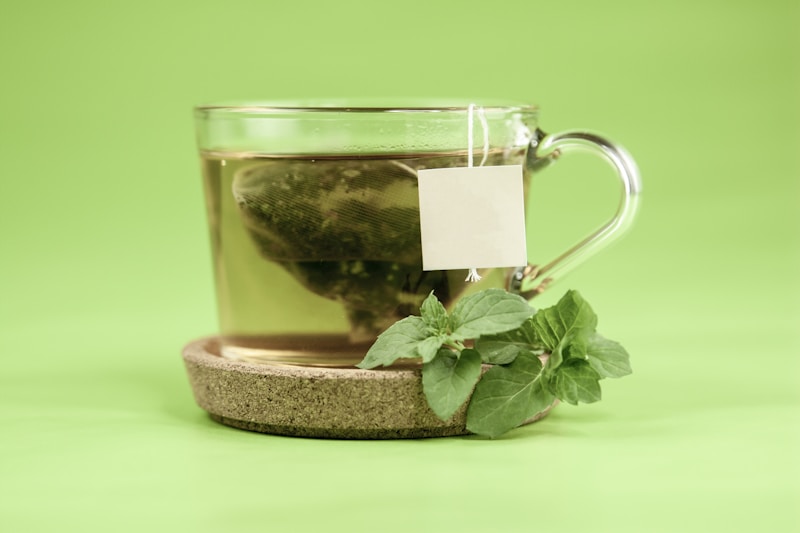
Matcha: The Antioxidant Champion
Matcha stands out as the most nutrient-dense green tea option available. This vibrant green powder is made from shade-grown tea leaves that are stone-ground into a fine powder, allowing you to consume the entire leaf rather than just steeping it.
One serving of matcha can contain up to 137 times more EGCG than regular brewed green tea. The shading process before harvest increases chlorophyll and L-theanine content, creating that distinctive umami flavor and enhanced calm-focus effect.
For young women looking to support their wellness goals, matcha offers particular benefits. The high antioxidant content supports skin health, while the sustained energy release helps maintain focus during demanding days without the afternoon crash.
Sencha: The Everyday Essential
Sencha is Japan's most popular green tea and for good reason. This steamed green tea offers a perfect balance of health benefits, flavor, and affordability, making it ideal for daily consumption.
The steaming process used in sencha production preserves more catechins compared to pan-fired varieties. With a fresh, grassy flavor and moderate caffeine content, sencha provides an accessible entry point into the world of quality green tea.
Gyokuro: The Premium Choice
Gyokuro represents the pinnacle of Japanese green tea cultivation. Like matcha, these leaves are shade-grown for several weeks before harvest, resulting in increased chlorophyll, amino acids, and a sweeter, more complex flavor profile.
While more expensive than sencha, gyokuro offers exceptional antioxidant levels and a luxurious drinking experience. It's perfect for special occasions or when you want to treat yourself to something extraordinary.
Dragon Well (Longjing): Chinese Excellence
Dragon Well tea from China's Zhejiang province offers a different flavor profile than Japanese varieties. The pan-firing process creates a nutty, slightly sweet taste with a distinctive flat-leaf appearance.
This variety provides excellent antioxidant benefits while offering a gentler, less grassy flavor that many find more approachable. It's an excellent choice if you're exploring beyond Japanese green teas.
Comparing Green Tea Varieties: A Quick Reference
| Tea Type | Antioxidant Level | Caffeine Content | Best For |
|---|---|---|---|
| Matcha | Very High | Moderate-High | Maximum health benefits, sustained energy |
| Gyokuro | High | High | Premium experience, special occasions |
| Sencha | Moderate-High | Moderate | Daily drinking, balanced benefits |
| Dragon Well | Moderate-High | Low-Moderate | Gentle flavor, afternoon drinking |
How to Choose Quality Green Tea
Selecting the best green tea for health goes beyond just picking a variety. Quality matters significantly when it comes to both flavor and nutritional benefits. Here's what to look for when shopping for green tea.
Origin and Sourcing
The best green teas typically come from Japan and China, where tea cultivation has been perfected over centuries. Japanese teas tend to be steamed and have a more vegetal flavor, while Chinese varieties are often pan-fired with nuttier notes.
Look for teas that specify their exact origin—such as Uji, Japan, or Zhejiang, China. This transparency usually indicates higher quality and more careful cultivation practices.
Organic Certification
Choosing organic green tea is particularly important because tea plants can absorb compounds from soil and water. Organic certification ensures your tea is free from synthetic pesticides and fertilizers.
This is especially relevant for matcha, where you consume the entire leaf. Investing in organic matcha ensures you're getting pure, beneficial compounds without unwanted chemicals.
Freshness Indicators
Green tea loses potency over time. Look for harvest dates on packaging and aim for tea that's less than six months to a year old. Fresh green tea should have a vibrant color—bright green for Japanese varieties, slightly lighter for Chinese types.
Proper packaging also matters. Quality green tea should come in airtight, light-blocking containers to preserve its antioxidants and prevent oxidation.

Brewing Techniques for Maximum Health Benefits
Even the best green tea for health can lose its benefits if brewed incorrectly. Temperature and steeping time significantly impact both flavor and nutrient extraction.
Temperature Matters
Never use boiling water for green tea. Excessive heat destroys delicate catechins and creates bitter flavors. The ideal temperature ranges from 160-180°F (70-80°C), depending on the variety.
Higher-quality teas like gyokuro prefer cooler temperatures around 140-160°F, while more robust varieties like sencha can handle slightly warmer water. When in doubt, let boiling water cool for 3-5 minutes before brewing.
Optimal Steeping Times
Steeping time affects both taste and health benefits. Most green teas reach optimal extraction between 1-3 minutes. Oversteeping releases excessive tannins, creating bitterness and potentially reducing the bioavailability of beneficial compounds.
For matcha, simply whisk the powder with hot water—no steeping required. This ensures you receive all the nutrients from the entire leaf.
Multiple Infusions
Quality green tea leaves can be steeped multiple times, with each infusion revealing different flavor notes. The second and third steepings often taste smoother and sweeter while still providing health benefits.
This practice also makes premium green tea more economical, as you can enjoy 2-3 cups from a single serving of leaves.
Incorporating Green Tea into Your Wellness Routine
Understanding the best green tea for health is just the beginning. Creating sustainable habits around tea consumption maximizes its benefits for your lifestyle.
Timing Your Tea
The best time to drink green tea is between meals, ideally 30-60 minutes after eating. This timing optimizes nutrient absorption while minimizing any potential interference with iron absorption from food.
Morning green tea can replace your coffee ritual, providing sustained energy without the crash. An afternoon cup helps maintain focus during study sessions or work projects. Just avoid drinking green tea too close to bedtime due to its caffeine content.
Building a Daily Practice
Start with one cup daily and gradually increase to 2-3 cups for optimal benefits. This allows your body to adjust to the caffeine and compounds in green tea.
Consider creating a mindful tea ritual. Taking five minutes to prepare and enjoy your tea provides a natural break in your day, supporting both physical health and mental wellness. At Your Business, we believe in the power of small, consistent wellness practices that fit seamlessly into busy lifestyles.
Creative Ways to Enjoy Green Tea
Beyond traditional hot tea, green tea offers versatility for various preferences and seasons:
- Iced Green Tea: Cold-brew green tea overnight in the refrigerator for a smooth, less bitter flavor perfect for summer
- Matcha Lattes: Blend matcha with your choice of milk and a touch of honey for a creamy, Instagram-worthy beverage
- Green Tea Smoothies: Add cooled green tea or matcha powder to your morning smoothie for an antioxidant boost
- Tea-Infused Recipes: Use green tea in overnight oats, energy balls, or homemade face masks for internal and external benefits
Pro Tip: Keep a variety of green teas on hand to match your mood and needs. Matcha for high-focus mornings, sencha for relaxed afternoons, and low-caffeine options for evening enjoyment.
Addressing Common Concerns
Caffeine Sensitivity
If you're sensitive to caffeine, green tea can still be part of your routine. Choose lower-caffeine varieties like bancha or kukicha, which use older leaves and stems. You can also opt for decaffeinated green tea, though some antioxidants may be reduced in processing.
The L-theanine in green tea naturally counteracts caffeine's jittery effects, making it gentler than coffee even with similar caffeine levels.
Staining and Oral Health
Green tea contains less tannin than black tea or coffee, reducing staining potential. Drinking through a straw or rinsing your mouth with water after drinking can further minimize any discoloration.
Interestingly, green tea's antimicrobial properties may actually support oral health by reducing harmful bacteria in the mouth.
Iron Absorption
Green tea can temporarily reduce iron absorption when consumed with meals. If you're concerned about iron levels, simply enjoy your tea between meals rather than with iron-rich foods, and consider pairing it with vitamin C-rich foods to enhance iron absorption from other sources.
The Connection Between Green Tea and Modern Wellness
In today's wellness landscape, green tea bridges ancient wisdom and modern science. Its benefits align perfectly with contemporary health goals—from supporting natural energy levels to promoting skin health and mental clarity.
For young women navigating the demands of education, career building, and personal growth, green tea offers a simple yet powerful tool for self-care. It's affordable, accessible, and backed by both tradition and research.
The ritual of preparing and enjoying tea also provides mindful moments in otherwise hectic days. This intentional pause can be just as valuable as the tea's physical benefits, supporting mental wellness and stress management.
Resources like Your Business recognize that true wellness comes from small, sustainable practices that honor both body and mind. Green tea exemplifies this philosophy perfectly.
Frequently Asked Questions
Starting Your Green Tea Journey Today
Choosing the best green tea for health doesn't require perfection—it requires taking that first step. Whether you start with an affordable sencha from your local health food store or invest in ceremonial-grade matcha, you're making a positive choice for your wellness.
Begin by selecting one variety that appeals to you based on flavor profile, caffeine content, or health priorities. Invest in quality over quantity, as even a small amount of premium tea can provide significant benefits when consumed regularly.
Remember that consistency matters more than intensity. One cup of quality green tea daily, enjoyed mindfully and prepared properly, will serve you better than sporadic consumption of large quantities.
As you develop your green tea practice, pay attention to how different varieties make you feel. Notice your energy levels, mental clarity, and overall sense of wellbeing. This awareness helps you fine-tune your choices and create a personalized approach that truly supports your unique needs.
The journey toward better health doesn't happen overnight, but small, intentional choices compound over time. Green tea represents one of those choices—a simple daily practice with profound long-term benefits. At Your Business, we're committed to supporting your wellness journey with educational resources and evidence-based guidance that empowers you to make informed decisions about your health.
So brew yourself a cup, take a moment to breathe in the fresh, grassy aroma, and toast to your health. Your future self will thank you for this delicious, nurturing habit you're creating today.