Best Kitchen Gadgets for Healthy Eating: Tech-Driven Nutrition in 2024

The intersection of culinary technology and nutritional science has reached an inflection point. Modern kitchen gadgets now leverage precision engineering, IoT connectivity, and data analytics to transform how we approach meal preparation and dietary optimization.
For the tech-savvy health enthusiast, the kitchen has evolved into a laboratory where variables like temperature, timing, and nutrient preservation can be controlled with unprecedented accuracy. This isn't about convenience alone—it's about maximizing bioavailability, minimizing nutrient degradation, and achieving consistent results that align with specific macronutrient targets.
The gadgets we'll analyze represent the cutting edge of culinary engineering, each designed to address specific challenges in healthy meal preparation. From molecular-level nutrient preservation to AI-powered portion control, these devices deliver measurable improvements in dietary outcomes.
Understanding the Technology Behind Nutrition-Optimized Appliances
Before diving into specific devices, it's crucial to understand the engineering principles that make these gadgets effective for health-focused cooking. The best kitchen gadgets for healthy eating share common technological foundations that differentiate them from conventional appliances.
Precision temperature control stands as the cornerstone specification. Thermal accuracy within ±1°F enables cooking at optimal temperatures that preserve heat-sensitive vitamins and phytonutrients while achieving food safety standards. This level of precision was previously exclusive to commercial kitchens but has now been democratized through advanced PID controllers and thermistor arrays.
Heat Distribution and Nutrient Preservation
Uniform heat distribution prevents the localized temperature spikes that cause nutrient degradation. Convection systems, induction heating elements, and multi-zone temperature management ensure that food cooks evenly without hot spots that can destroy beneficial compounds.
The Maillard reaction—responsible for browning and flavor development—occurs optimally between 280-330°F. Smart appliances can maintain this narrow window while monitoring internal food temperature to prevent overcooking, preserving both nutritional value and palatability.
High-Performance Blending Systems for Nutrient Extraction

Commercial-grade blending technology has migrated to consumer markets, offering capabilities that fundamentally change nutrient accessibility. These aren't traditional blenders—they're cellular disruption systems engineered to break down plant cell walls and release phytonutrients typically locked within fibrous matrices.
Motor specifications matter significantly. Units delivering 1,200+ watts with peak horsepower exceeding 2.0 HP generate blade speeds surpassing 28,000 RPM. This velocity creates cavitation forces sufficient to rupture cell membranes, increasing bioavailability of compounds like lycopene, beta-carotene, and polyphenols by 20-40%.
Blade Geometry and Material Science
Blade design extends beyond simple sharpness. Laser-cut, hardened stainless steel blades with specific pitch angles (typically 45-60 degrees) create vortex patterns that pull ingredients downward while simultaneously pulverizing them. Four-prong and six-prong configurations offer different advantages for various food matrices.
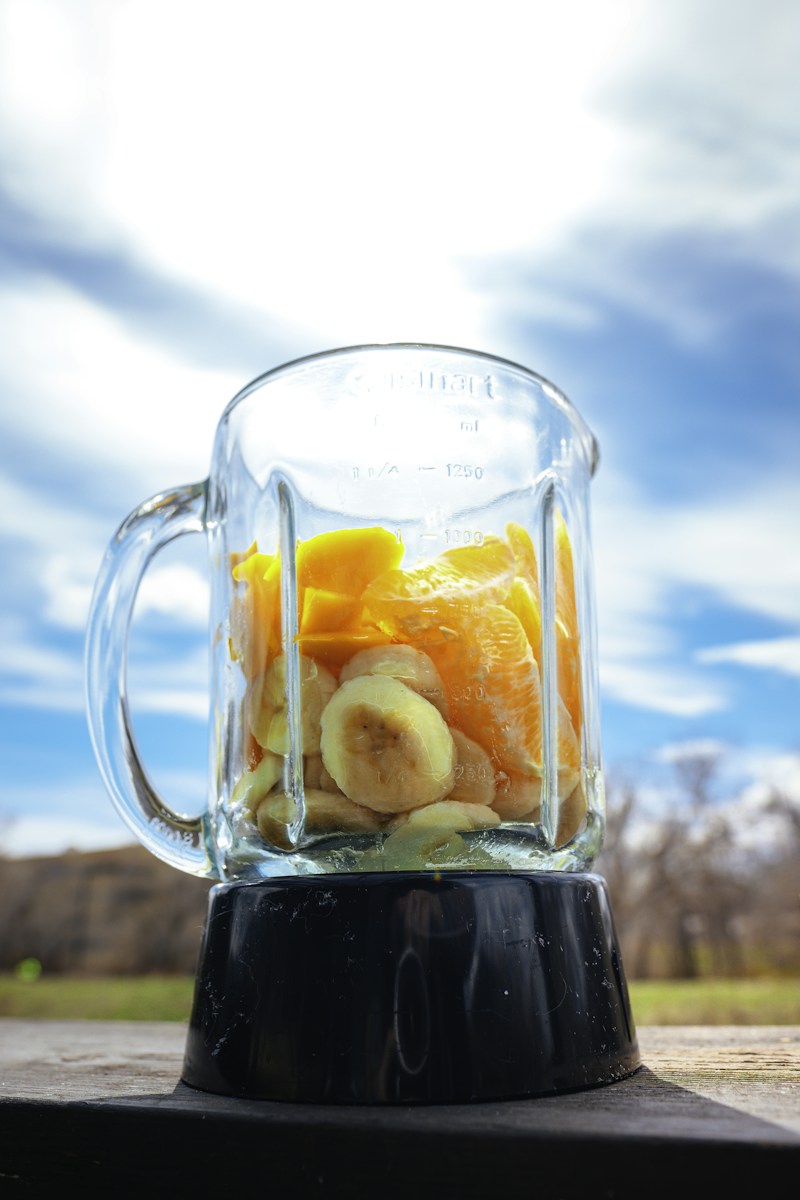
The container design complements blade performance. Square or ribbed interiors create turbulence that prevents air pockets, ensuring complete processing without manual intervention. BPA-free Tritan copolyester or borosilicate glass maintains chemical inertness while withstanding thermal stress from friction heating.
Thermal Management in Extended Blending
Prolonged blending generates friction heat that can denature enzymes and degrade temperature-sensitive vitamins. Premium systems incorporate thermal sensors that monitor temperature rise and adjust cycle duration accordingly. Some models feature cooling ribs or ventilation systems that dissipate heat during operation.
For cold preparations like smoothies and nut milks, maintaining temperatures below 118°F preserves enzymatic activity and prevents oxidation of fatty acids. This specification becomes critical when processing ingredients rich in omega-3s or creating raw food preparations.
Precision Cooking Devices: Sous Vide and Induction Technology
Precision cooking represents perhaps the most significant advancement in nutrient-preserving culinary technology. These devices eliminate guesswork through closed-loop temperature control systems that maintain exact thermal parameters throughout the cooking process.
Sous vide immersion circulators exemplify this category. By maintaining water baths at precise temperatures (typically 130-185°F depending on protein type), they enable cooking that maximizes moisture retention while achieving pasteurization. The sealed environment prevents oxidation and nutrient leaching—common issues with traditional boiling or steaming.
Nutritional Advantages of Controlled Temperature Cooking
Research demonstrates that sous vide cooking at 140°F preserves approximately 90% of water-soluble B vitamins compared to 50-60% retention with conventional methods. The vacuum-sealed environment also prevents mineral loss, as nutrients cannot leach into surrounding water.
Protein denaturation occurs optimally without overcooking. Collagen converts to gelatin at precise temperatures without the exterior desiccation typical of high-heat methods. This results in superior texture while maintaining amino acid profiles and reducing the formation of potentially harmful compounds like heterocyclic amines.
Induction Cooking: Speed Meets Precision
Induction technology delivers rapid heating with exceptional temperature control. Electromagnetic fields generate heat directly in ferromagnetic cookware, offering response times comparable to gas with the precision of electric systems. Temperature adjustments occur within seconds rather than minutes.
For health-conscious cooking, induction's ability to maintain low, steady temperatures proves invaluable. Sautéing vegetables at 275-300°F preserves more vitamins than high-heat stir-frying while still achieving caramelization. The precise control also enables perfect egg preparation without excess butter or oil.
Smart Air Circulation Systems: Beyond Basic Air Frying
Air fryers have evolved from novelty appliances to sophisticated cooking platforms that rival traditional methods while dramatically reducing fat content. The latest generation incorporates multiple heating elements, advanced airflow engineering, and smart sensors that optimize cooking parameters in real-time.
The core technology relies on rapid air circulation—typically 1,400-1,700 CFM—combined with precisely controlled heating elements. This creates a convection environment that achieves Maillard reactions without submerging food in oil. The result: 70-80% less fat than traditional frying with comparable texture and flavor profiles.
Multi-Zone Cooking and Programmable Profiles
Advanced air fryers feature dual-zone or multi-basket configurations that enable simultaneous cooking of different foods at different temperatures. This capability proves essential when preparing complete meals with varying optimal cooking parameters—proteins at 380°F while vegetables cook at 320°F.
Programmable profiles store time-temperature curves for specific foods. These algorithms account for food density, moisture content, and desired doneness, automatically adjusting parameters mid-cycle. Some models integrate with smartphone apps, enabling remote monitoring and adjustment through platforms available at GearUp.
Acrylamide Reduction Through Temperature Control
One significant health advantage involves acrylamide formation. This potentially carcinogenic compound forms when starchy foods exceed 250°F. Smart air fryers monitor surface temperature and adjust heating to minimize acrylamide production while still achieving desirable browning—a balance impossible with conventional frying.
Smart Scales and Portion Control Technology
Precision nutrition requires accurate measurement. Smart kitchen scales have transcended basic weight measurement to become comprehensive nutritional tracking platforms that integrate with dietary management applications and provide real-time macronutrient calculations.
These devices feature load cells accurate to 0.1g, enabling precise portion control for calorie-conscious meal preparation. But the real innovation lies in their connectivity and computational capabilities. Built-in databases containing nutritional information for 500,000+ foods enable instant macro tracking as you prepare meals.
Integration with Nutritional Tracking Ecosystems
API connectivity allows these scales to sync with platforms like MyFitnessPal, Cronometer, and proprietary nutrition apps. As you add ingredients, the scale calculates cumulative nutritional values and can suggest adjustments to hit specific macronutrient targets. This real-time feedback transforms meal preparation into a data-driven process.
Some advanced models incorporate visual recognition systems. Place an item on the scale, and computer vision algorithms identify it, automatically logging nutritional data. This eliminates manual database searching and reduces friction in dietary tracking—a key factor in long-term adherence.
Specialized Gadgets for Specific Dietary Protocols
Certain dietary approaches benefit from specialized equipment engineered for their unique requirements. Understanding these niche devices helps optimize adherence to specific nutritional protocols.
Cold-Press Juicing Systems
Masticating juicers operate at low RPMs (40-80) to minimize oxidation and heat generation. The slow crushing and pressing action yields 20-30% more juice than centrifugal models while preserving enzymes and reducing foam formation—a marker of oxidation.
Dual-stage extraction systems first crush produce to rupture cells, then press the pulp through fine screens. This two-phase process maximizes nutrient extraction while producing juice with minimal pulp and extended shelf stability due to reduced oxidation.
Fermentation Stations
Probiotic-rich fermented foods require specific temperature and atmospheric conditions. Smart fermentation devices maintain optimal ranges (typically 68-78°F for vegetables, 105-115°F for yogurt) while monitoring pH levels and providing controlled anaerobic environments.
These systems eliminate the guesswork from fermentation, ensuring consistent results and reducing contamination risk. Automated burping mechanisms release CO2 buildup without exposing contents to oxygen, while UV sterilization cycles between batches maintain sanitary conditions.
Sprouting Systems with Environmental Control
Automated sprouting devices control humidity, temperature, and rinsing cycles to optimize germination. Sprouts deliver concentrated nutrients and bioactive compounds, but require precise conditions to prevent mold while maximizing enzyme production.
Multi-tier systems with independent zone control enable simultaneous sprouting of different seeds at their optimal parameters. Automated rinsing cycles occur at programmed intervals, and drainage systems prevent water accumulation that could promote bacterial growth.
Evaluating ROI: Performance Metrics That Matter
Investing in premium kitchen technology requires analytical evaluation beyond marketing claims. Several quantifiable metrics determine whether a gadget delivers value for health-focused cooking.
| Metric | Significance | Target Specification |
|---|---|---|
| Temperature Accuracy | Nutrient preservation | ±1°F or better |
| Power Efficiency | Operating cost | Energy Star certified |
| Build Quality | Longevity, safety | Stainless steel, BPA-free |
| Smart Integration | Data tracking, automation | WiFi/Bluetooth, app support |
| Warranty Coverage | Manufacturer confidence | 3+ years comprehensive |
Total Cost of Ownership Analysis
Calculate TCO by considering purchase price, energy consumption, consumable costs (filters, accessories), and expected lifespan. A $400 device lasting 10 years with minimal operating costs often delivers better value than a $150 unit requiring replacement every 2-3 years.
Factor in time savings as well. If a device reduces meal prep time by 30 minutes daily, that's 182.5 hours annually—quantifiable value when considered against hourly earning potential or leisure time valuation.
Integration Strategies: Building a Cohesive Kitchen Ecosystem
Individual gadgets deliver value, but strategic integration creates multiplicative benefits. A cohesive kitchen technology ecosystem enables workflow optimization and comprehensive nutritional tracking.
Start with complementary devices that share connectivity platforms. Many manufacturers offer product families that communicate through unified apps, enabling automated recipe scaling, synchronized cooking timers, and aggregated nutritional data. The GearUp platform exemplifies this approach, offering interoperability across diverse device categories.
Workflow Optimization Through Smart Connectivity
Connected devices enable sequential automation. Program your precision cooker to begin sous vide preparation while you're at the gym, timed to finish when you return. The smart oven then receives the protein for a finishing sear, while the air fryer simultaneously crisps vegetables—all coordinated through a single interface.
Voice control integration through platforms like Alexa or Google Assistant adds hands-free operation during active cooking. Query nutritional information, adjust temperatures, or set timers without interrupting food handling—improving both efficiency and hygiene.
Pro Tip: When building your kitchen technology stack, prioritize devices with open APIs and documented integration capabilities. Proprietary ecosystems may offer seamless operation within their product family but limit flexibility for future additions or upgrades.
Maintenance Protocols for Longevity and Performance
Technical sophistication demands corresponding maintenance rigor. Proper care extends device lifespan while ensuring consistent performance and food safety.
Establish cleaning protocols immediately after each use. Residue accumulation affects sensor accuracy, heat distribution, and motor performance. Use manufacturer-specified cleaning agents—harsh chemicals can degrade gaskets, coatings, and electronic components.
Calibration and Sensor Verification
Temperature sensors drift over time. Quarterly calibration checks using certified thermometers ensure accuracy. Most precision devices include calibration modes; consult technical documentation for specific procedures.
For scales, verify accuracy using certified calibration weights (available in 100g, 500g, and 1kg denominations). If readings deviate beyond ±0.5g, recalibration or professional service becomes necessary.
Firmware Updates and Software Maintenance
Connected devices receive firmware updates that improve functionality, fix bugs, and sometimes add features. Enable automatic updates or check quarterly for available patches. Updated software often includes refined cooking algorithms based on aggregated user data and continued testing.
Frequently Asked Questions
Optimizing Your Kitchen Technology Investment Strategy
The landscape of health-focused kitchen technology continues evolving rapidly. New sensors, improved algorithms, and enhanced connectivity arrive quarterly. Strategic investment requires balancing current needs against future compatibility.
Prioritize foundational devices first: a high-performance blender, precision temperature control system, and smart scale form the core of a nutrition-optimized kitchen. These tools address the broadest range of healthy cooking applications and deliver immediate, measurable benefits to dietary quality.
Expand strategically based on your specific dietary protocols and cooking patterns. Those following plant-based diets benefit enormously from cold-press juicers and high-powered blenders. Protein-focused approaches see greater value from precision cookers and smart grills that optimize meat preparation.
The best kitchen gadgets for healthy eating aren't defined by price or brand recognition—they're characterized by engineering precision, measurable performance improvements, and seamless integration into your specific nutritional strategy.
Technology should enhance, not complicate, your relationship with food. Each device in your kitchen should serve a clear purpose, deliver consistent results, and contribute to your broader health objectives. The gadgets we've examined represent the current state-of-the-art, but the principles underlying their effectiveness—precision, control, and data integration—remain constant.
As you build or upgrade your kitchen technology stack, remember that these tools amplify your knowledge and commitment. The most sophisticated equipment cannot compensate for poor ingredient quality or inconsistent habits, but when combined with sound nutritional understanding, they become force multipliers that make healthy eating more accessible, efficient, and sustainable.
For those ready to take the next step in optimizing their culinary capabilities, exploring the comprehensive selection at GearUp provides access to thoroughly vetted, performance-tested equipment backed by technical specifications and real-world validation. The intersection of technology and nutrition has never been more accessible—or more powerful.