Full-Funnel AI SEO: How to Rank at Every Stage of the Buyer Journey
Most SEO strategies target keywords. Full-funnel AI SEO targets people—at every stage of their buying decision. One e-commerce brand using this approach went from $20K/mo to $80K/mo in organic revenue. Here's how they did it, and how you can too.
Table of Contents
What Full-Funnel AI SEO Actually Means
Full-funnel AI SEO is content strategy that targets every stage of the buyer journey—awareness, consideration, and conversion—using AI-powered optimization for both traditional search engines and AI platforms like ChatGPT, Perplexity, and Google AI Overviews.
Traditional SEO focuses on ranking for keywords. Full-funnel AI SEO focuses on matching content to intent. Someone searching "what is retinol" is at a different stage than someone searching "best retinol serum for sensitive skin" or "buy the ordinary retinol."
The strategy works because it captures traffic at the top of the funnel (awareness), nurtures it through the middle (consideration), and converts it at the bottom. Most brands only optimize for one stage—usually the bottom—and wonder why their traffic doesn't convert.
AI-powered SEO services from agencies like Founding Engine (the team behind BloggedAI) build these strategies for e-commerce brands. But you can also build one yourself using the right tools and framework.
Why Traditional SEO Fails at Conversion
Here's the problem with most SEO strategies: they optimize for traffic, not revenue.
You rank for a high-volume keyword like "skincare routine." You get 10,000 visitors. But they're not ready to buy—they're researching. Your conversion rate is 0.5%. You made 50 sales.
Now compare that to a full-funnel strategy:
- Top-of-funnel content (educational): "how to build a skincare routine" — 5,000 visitors, 1% conversion = 50 sales
- Middle-of-funnel content (comparison): "best vitamin C serums for dark spots" — 2,000 visitors, 3% conversion = 60 sales
- Bottom-of-funnel content (transactional): "buy skinceuticals vitamin C serum" — 500 visitors, 8% conversion = 40 sales
Same traffic volume (7,500 vs. 10,000), but 150 sales instead of 50. That's a 3x revenue increase.
The difference? You're not just ranking. You're matching content to intent at every stage. This is what e-commerce SEO strategy looks like when it's built around the buyer, not just the keyword.
Mapping Content to Each Funnel Stage
Here's how to map your content to each stage of the buyer journey:
Top-of-Funnel (Awareness)
Intent: The reader is learning. They have a problem but don't know the solution yet.
Content types:
- Educational blog posts ("what is," "how to," "why does")
- Guides and tutorials
- Industry trend pieces
- Problem-identification content
Example keywords: "how to reduce acne scars," "what causes dry skin," "best ingredients for anti-aging"
Goal: Build trust. Get them into your ecosystem. Capture the email or get them to bookmark your site.
Middle-of-Funnel (Consideration)
Intent: The reader knows the solution category. Now they're comparing options.
Content types:
- Product comparisons ("X vs. Y")
- Buyer's guides ("best X for Y")
- Case studies and results
- How-to content that features your product
Example keywords: "best retinol serums," "cerave vs la roche posay," "retinol vs tretinoin"
Goal: Position your product as the best option. Show proof. Answer objections.
Bottom-of-Funnel (Conversion)
Intent: The reader is ready to buy. They're looking for the specific product, pricing, or a final nudge.
Content types:
- Product pages (optimized with schema)
- Pricing pages
- Transactional landing pages
- "Buy [product name]" or "[brand] review" content
Example keywords: "buy cerave retinol serum," "the ordinary retinol price," "skinceuticals vitamin c where to buy"
Goal: Convert. Remove friction. Make the purchase easy.
Most brands only create bottom-of-funnel content. That's why their SEO feels like a grind—they're competing for the hardest, most competitive keywords and ignoring the easier wins at the top and middle of the funnel. A proper e-commerce SEO checklist includes content for all three stages.
AI Optimization for Every Stage of the Journey
Here's where full-funnel AI SEO gets interesting: AI platforms like ChatGPT, Perplexity, and Google AI Overviews are changing how people find content at each funnel stage.
Traditional search: "best retinol serum" → user clicks through 5 blog posts, compares, decides.
AI search: "best retinol serum for sensitive skin under $30" → ChatGPT gives 3 recommendations with reasoning. User clicks one.
To show up in those AI-generated answers, your content needs:
- Structured data: Schema markup (Product, FAQ, HowTo) so AI platforms can parse your content
- Clear entity relationships: Connect your product to the problem it solves, the category it belongs to, and the audience it serves
- Answer-focused formatting: FAQ sections, bullet points, concise definitions
- Cited sources and data: AI platforms prioritize content with verifiable claims
This is what AI search optimization looks like in practice. You're not just optimizing for Google's algorithm—you're optimizing for how AI platforms surface and cite information.
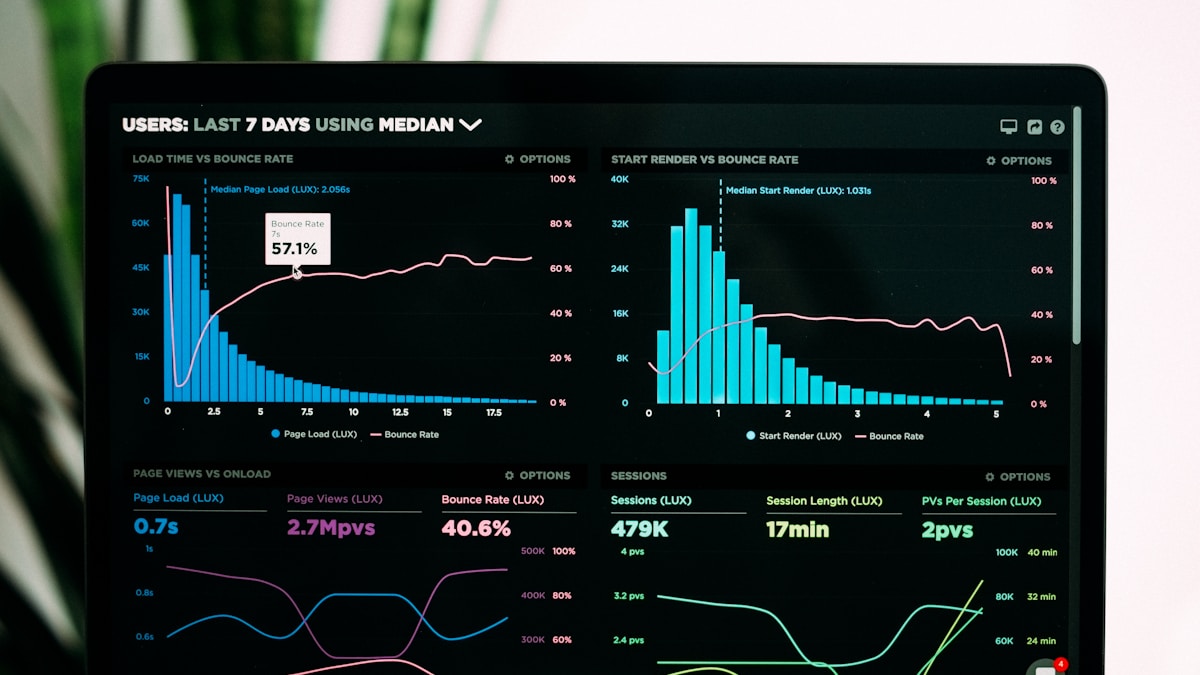
One client of Founding Engine saw a 695% increase in organic traffic in 5 months by adding schema markup and restructuring their blog content to answer questions directly. The traffic came from both Google and AI platforms.
How to Build a Full-Funnel AI SEO Strategy
Here's the step-by-step process:
Step 1: Map Your Existing Content to the Funnel
Audit your current blog and pages. Tag each piece as top, middle, or bottom-of-funnel. Most brands discover they have 80% bottom-of-funnel content and almost nothing at the top.
Step 2: Identify Keyword Gaps by Funnel Stage
Use keyword research tools to find:
- Top-of-funnel: High-volume, low-competition educational keywords
- Middle-of-funnel: Comparison and "best for" keywords with moderate competition
- Bottom-of-funnel: Transactional keywords with high intent
The key: match keywords to your domain authority. If you're a DA 20 site, don't target DA 60+ keywords. Target what you can actually rank for. This is called DA-aware keyword targeting, and it's built into tools like BloggedAI.
Step 3: Create Content for Each Stage
Build a content calendar that balances all three funnel stages:
- 40% top-of-funnel (traffic + awareness)
- 40% middle-of-funnel (consideration + trust)
- 20% bottom-of-funnel (conversion)
Each piece should include:
- Schema markup (Article, FAQ, Product, or HowTo depending on content type)
- Internal links to the next funnel stage
- Clear CTAs that match intent (newsletter signup for top-of-funnel, product page for bottom)
Step 4: Optimize for AI Discovery
Add FAQ sections to every post. Structure answers in a way that AI platforms can easily cite. Use FAQPage schema. Include entity-rich language (product names, brand names, category terms).
This is what makes full-funnel AI SEO different from traditional SEO—you're optimizing for both human readers and AI parsers. The result: you show up in Google, ChatGPT, Perplexity, and Google AI Overviews.
Step 5: Measure by Funnel Stage
Track metrics for each stage:
- Top-of-funnel: Traffic, time on page, scroll depth
- Middle-of-funnel: Click-through to product pages, email signups
- Bottom-of-funnel: Conversion rate, revenue per session
If your top-of-funnel content isn't driving traffic to middle-of-funnel pages, your internal linking is broken. If your middle-of-funnel content isn't converting, your CTAs or product positioning need work.
For brands that want a fully managed strategy, schedule a strategy call with Founding Engine—they'll build the entire funnel for you, from keyword research to schema implementation to AI discovery optimization.
Tools That Actually Work
Here's the tech stack for full-funnel AI SEO:
For Content Creation
BloggedAI — generates schema-rich, SEO-optimized blog posts for $10 each. You input your keyword and URL, it analyzes your domain authority and competitive landscape, and outputs a 1,500-2,500 word blog with FAQ schema, internal links, and a hero image. Works for any funnel stage.
Compare that to hiring a freelancer at $150/post or an agency at $3K-$10K/mo. Same output, 15x cheaper.
For Keyword Research
Use tools like Ahrefs, SEMrush, or the built-in keyword research in BloggedAI's Growth and Dominate plans. The key is filtering by funnel stage—most tools don't do this automatically, so you'll need to manually tag keywords as top, middle, or bottom based on intent.
For Schema Markup
BloggedAI includes schema on every post (Article, FAQ, BreadcrumbList). For product pages, use Google's Structured Data Markup Helper or a Shopify app like JSON-LD for SEO.
For AI Discovery Tracking
There's no perfect tool yet for tracking AI platform visibility, but you can manually test by searching your target queries in ChatGPT, Perplexity, and Google AI Overviews. If your content shows up in the answer, you're doing it right.
For a more comprehensive approach, work with an agency that specializes in advanced e-commerce SEO—they'll track your visibility across all platforms and adjust your strategy based on performance.
FAQ
What is full-funnel AI SEO?
Full-funnel AI SEO is a content strategy that targets every stage of the buyer journey—awareness, consideration, and conversion—using AI-powered tools to optimize for both traditional search engines and AI platforms like ChatGPT, Perplexity, and Google AI Overviews.
How is full-funnel AI SEO different from traditional SEO?
Traditional SEO focuses primarily on ranking for keywords. Full-funnel AI SEO maps content to specific buyer stages, optimizes for AI discovery platforms, and uses schema markup and structured data to appear in AI-generated answers and Google's AI Overviews.
What types of content work best for each funnel stage?
Top-of-funnel: educational blog posts, guides, and comparison content. Middle-of-funnel: product comparisons, case studies, and how-to content. Bottom-of-funnel: product pages, pricing pages, and conversion-focused landing pages with schema markup.
Can AI tools actually build a full-funnel SEO strategy?
Yes. AI tools like BloggedAI analyze your domain authority, competitive landscape, and target keywords to generate schema-rich content optimized for every funnel stage. For more complex strategies, agencies like Founding Engine build custom full-funnel AI SEO programs.
How long does it take to see results from full-funnel AI SEO?
Top-of-funnel content can rank within 10-30 days if targeting DA-appropriate keywords. Middle and bottom-funnel content often ranks faster due to lower competition. One BloggedAI client saw page 1 rankings within 10 days.
Do I need different content for Google vs. AI search engines?
Not necessarily. Content optimized with structured data, FAQ sections, and clear entity relationships performs well in both traditional Google results and AI platforms like ChatGPT and Perplexity. The key is schema markup and answer-focused formatting.
What's the ROI of full-funnel AI SEO compared to traditional SEO?
Full-funnel strategies capture traffic at every buyer stage, leading to higher conversion rates. Founding Engine clients have seen 4x organic revenue growth, with one e-commerce brand going from $20K/mo to $80K/mo in organic revenue using this approach.
Start Building Your Full-Funnel AI SEO Strategy
You have two options:
Option 1: DIY with BloggedAI. Generate schema-rich blog posts for every funnel stage at $10/post. Your first blog is free. No credit card required. Try BloggedAI Free
Option 2: Get a custom strategy built for you. If you need a tailored full-funnel AI SEO program with keyword research, content distribution, backlinks, and AI discovery optimization, talk to the team at Founding Engine. Schedule a Strategy Call
Either way, the brands winning in 2025 are the ones optimizing for the entire buyer journey—not just the bottom of the funnel.
Powered by BloggedAi · Founding Engine