How to Get Into Google AI Overview for SEO
Google AI Overview now appears on 15% of all searches — and that number is climbing fast. If your content isn't optimized for AI-powered search results, you're invisible to a growing segment of your audience. Here's how to get into Google AI Overview for SEO, based on what actually works after analyzing hundreds of AI Overview placements.
Table of Contents
What Is Google AI Overview and Why It Matters
Google AI Overview (formerly called SGE — Search Generative Experience) is Google's AI-generated answer box that appears at the top of search results for specific query types. Unlike featured snippets, which pull from a single source, AI Overviews synthesize information from multiple pages and cite them inline.
Here's why it matters: AI Overviews occupy prime real estate above traditional organic results. If your content appears in an AI Overview, you get cited as an authoritative source — even if you're not ranking #1 organically. One of our clients at Founding Engine saw a 40% traffic increase from AI Overview citations alone, despite ranking #3-5 for their target keywords.
The challenge? Google's AI doesn't rank content the same way traditional search does. It prioritizes structured, scannable, schema-rich content that directly answers the query. That means your existing SEO strategy needs an upgrade.
Structure Your Content for AI Extraction
Google's AI models scan for clear, hierarchical content structures. If your blog is a wall of text, it won't get cited. Here's the structure that works:
Use Descriptive H2 and H3 Headings
Your headings should answer specific questions. Instead of "Overview," use "What Is Google AI Overview and How Does It Work?" This helps Google's AI understand what each section covers and match it to user queries.
Answer Questions Directly
AI Overviews favor concise, direct answers. Start each section with a 1-2 sentence answer to the question posed in your heading, then expand with supporting details. Think of it as writing for a featured snippet, but repeated across multiple sections.
Use Lists and Tables
Bulleted lists, numbered steps, and comparison tables are easier for AI to parse and extract. If you're writing a how-to guide, format it as numbered steps. If you're comparing tools or strategies, use a table or bulleted pros/cons list.
This is exactly how BloggedAI structures every blog it generates — clear headings, direct answers, scannable lists, and FAQ sections. The platform builds this structure automatically because it's trained on what AI Overviews actually cite.
Use Schema Markup on Every Page
Schema markup is the single most important technical factor for getting into Google AI Overview for SEO. It tells Google's AI exactly what your content is about and how to categorize it.
Here are the schema types that matter most for AI Overview visibility:
- FAQPage schema — Marks up your FAQ section so Google can extract individual Q&A pairs. This is critical for informational queries.
- HowTo schema — Structures step-by-step guides. Use this for any tutorial or process-based content.
- Article schema — Signals that your content is editorial and authoritative. Include author, publisher, and datePublished properties.
- Product schema — For e-commerce pages. Helps Google understand product attributes and include them in AI-generated shopping answers.
- BreadcrumbList schema — Shows content hierarchy and helps Google understand topical relationships across your site.
Every blog generated by BloggedAI includes JSON-LD schema markup for Article, FAQ, and BreadcrumbList by default. That's one reason clients see page 1 rankings within 10 days — Google's AI can immediately understand and categorize the content.
If you're running an e-commerce store, proper schema implementation goes beyond blog posts. Your product pages, category pages, and collection pages all need structured data. That's where a full AI-powered SEO strategy comes in — our team at Founding Engine builds schema infrastructure across your entire site, not just your blog.

Target the Right Query Types
Not all queries trigger AI Overviews. Google uses AI-generated answers primarily for informational and comparison queries. Here's what works:
Informational Queries
Questions that start with "what is," "how to," "why does," or "what are" almost always trigger AI Overviews. These are your highest-probability targets. If you're writing blog content, focus on answering specific questions within your niche.
Comparison Queries
"X vs Y" queries perform well because AI Overviews can synthesize information from multiple sources and present a balanced comparison. Write comparison posts with clear pros/cons sections and structured tables.
Definition and Explanation Queries
Queries like "what does X mean" or "how does X work" are perfect for AI Overview targeting. Keep your definitions concise and lead with the answer before diving into detail.
Avoid Purely Transactional Queries
Queries like "buy X" or "X discount code" rarely trigger AI Overviews. Google knows the user wants to complete a transaction, not read an explanation. Focus your AI Overview optimization on top-of-funnel and mid-funnel content, not bottom-of-funnel product pages.
For a complete breakdown of how to structure your e-commerce SEO strategy across the funnel, check out our full guide. The key is matching content format to search intent — and AI Overviews fit the informational stage.
Build Topical Authority (Not Just Domain Authority)
Here's something most SEO guides won't tell you: you don't need a DA 70 site to appear in AI Overviews. Google's AI cites sources based on topical authority — how comprehensively you cover a specific subject area.
A skincare blog with 50 well-structured articles about retinol, hyaluronic acid, and ceramides will outperform a general lifestyle blog with higher DA but shallow skincare coverage. Google's AI looks for depth and interconnection within a topic cluster.
How to Build Topical Authority
Pick a core topic (e.g., "AI SEO" or "e-commerce conversion optimization"). Write 20-30 articles that cover every subtopic, question, and use case within that domain. Interlink them aggressively. Use consistent schema markup across all posts. This signals to Google's AI that you're a subject matter expert.
This is the strategy behind our client results — we don't just publish random blog posts. We build topic clusters with internal linking and schema that establish our clients as the authoritative source for their niche. One client went from $20K/mo to $80K/mo in organic revenue using this exact approach.
If you're handling this yourself, tools like BloggedAI make it easier. The platform analyzes your domain authority and suggests keywords you can actually compete for — no point targeting "best CRM software" if you're a DA 15 site. It matches keyword difficulty to your current authority level, so you're building topical clusters that actually rank.
How to Implement This Without an Agency
Most brands hear "schema markup" and "topical authority" and assume they need a $5K/month agency retainer. You don't. Here's how to implement AI Overview optimization yourself:
Step 1: Audit Your Existing Content
Identify your top 10-20 blog posts by traffic. Check if they have schema markup (use Google's Rich Results Test). If not, add FAQ or HowTo schema to the posts that answer specific questions. This is low-hanging fruit — you already have the content, you're just making it AI-readable.
Step 2: Rewrite Headings and Intros
Go through those same posts and rewrite H2s as questions. Make sure the first paragraph under each H2 directly answers the question. This takes 15 minutes per post and dramatically increases your AI Overview eligibility.
Step 3: Add FAQ Sections
Every blog post should end with a 5-7 question FAQ section. Use real questions from Google's "People Also Ask" box, Reddit, or customer support tickets. Wrap it in FAQPage schema. This is the easiest way to get cited in AI Overviews because Google can extract individual Q&A pairs.
Step 4: Publish New Content with Schema Built In
For new content, use a platform that builds schema automatically. BloggedAI generates production-ready blog posts with Article, FAQ, and BreadcrumbList schema already embedded. You get a 1,500-2,500 word post, optimized for both traditional SEO and AI Overviews, for $10 — versus $150+ for a freelancer who probably won't include schema.
If you're running a larger operation or need a fully custom strategy — say, you're optimizing 500+ product pages or need backlink acquisition and distribution — that's when you bring in a team. Schedule a strategy call with Founding Engine and we'll build a tailored AI search optimization plan for your brand. We handle everything from technical SEO infrastructure to content production to backlink placement on DR 90+ sites.
Step 5: Track AI Overview Appearances
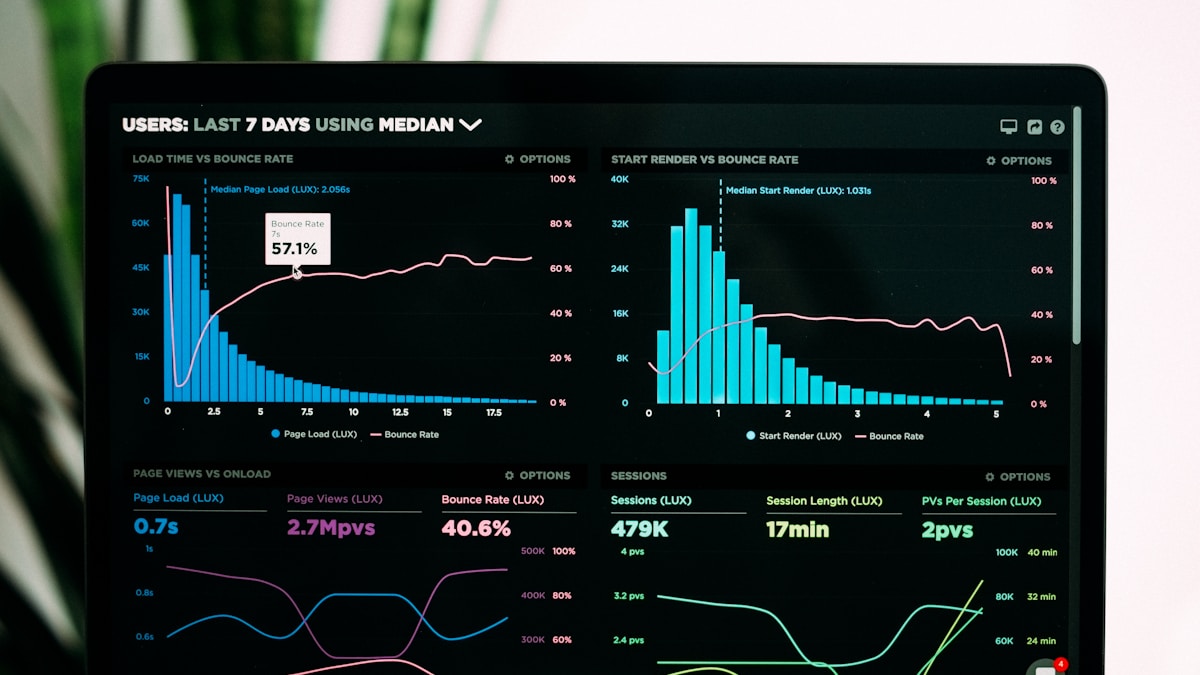
Use Google Search Console to monitor which queries trigger impressions for your content. Filter by queries that include "what," "how," "why," or "vs" — these are your AI Overview opportunities. If you're getting impressions but not clicks, your content is being cited in AI Overviews but users aren't clicking through. That's still valuable for brand authority.
For more advanced tracking, tools like SEMrush and Ahrefs now flag AI Overview appearances in their SERP features reports. Monitor these weekly and double down on content types that consistently get cited.
Frequently Asked Questions
Google AI Overview (formerly SGE - Search Generative Experience) is Google's AI-powered answer box that appears at the top of search results for certain queries. It uses large language models to synthesize information from multiple sources and present a comprehensive answer directly in the SERP. Unlike featured snippets, AI Overviews pull from multiple pages and cite sources inline.
To appear in AI Overviews, focus on structured content with clear headings, concise answers to specific questions, schema markup (especially FAQ and HowTo), and authoritative citations. Content should be factual, well-organized, and directly answer the query intent. Domain authority and topical relevance also play significant roles.
Yes. Schema markup helps Google's AI understand your content structure and extract relevant information more accurately. FAQ, HowTo, Article, and Product schema are particularly valuable for AI Overview visibility. Every page should include appropriate schema types based on content format.
Informational and how-to content performs best. Google AI Overviews appear most frequently for queries with clear answer intent: comparisons, definitions, step-by-step guides, and factual questions. Transactional queries rarely trigger AI Overviews. Content should be comprehensive but scannable, with clear structure and direct answers.
Yes, if it's high-quality and follows Google's E-E-A-T guidelines. Google doesn't penalize AI content automatically—it evaluates based on helpfulness, accuracy, and expertise. AI-generated blogs from platforms like BloggedAI that include schema markup, proper structure, and factual accuracy can and do appear in AI Overviews.
Timing varies based on domain authority, content quality, and competition. Sites with established authority can appear within 10-14 days. New domains may take 3-6 months. Consistent publishing of schema-optimized, well-structured content accelerates the process. Indexing speed and internal linking also impact timeline.
Not necessarily, but it helps. Google AI Overviews cite multiple sources, including lower-authority sites if they provide unique, accurate information. However, higher DA sites have an advantage. Focus on topical authority within your niche—become the go-to source for specific topics rather than competing broadly.
Ready to Optimize for AI Search?
You have two options: do it yourself with the right tools, or bring in a team that's already done this for dozens of brands.
Try BloggedAI Free — First Blog On Us Talk to Founding Engine — Custom StrategyGetting into Google AI Overview for SEO isn't about gaming the algorithm. It's about structuring your content the way Google's AI actually reads it — with schema markup, clear headings, direct answers, and topical depth. The brands that win in AI-powered search are the ones that make their content machine-readable without sacrificing quality.
If you're publishing 10+ blog posts per month, BloggedAI automates the structure, schema, and formatting for $10/post. If you need a full-stack strategy that includes on-page optimization, backlink acquisition, and AI discovery placement across ChatGPT and Perplexity, Founding Engine's AI search optimization service handles it end-to-end.
Either way, the window to dominate AI Overview real estate is open now. In 12 months, your competitors will have figured this out. The brands that move today will own the citations.
Powered by BloggedAi · Founding Engine