Infant Camping Gear: The Ultimate Guide for Adventurous Parents
Becoming a parent doesn't mean your outdoor adventures have to end—it just means they evolve. With the right infant camping gear, you can confidently introduce your little one to the wilderness while creating memories that will shape their relationship with nature for years to come.

The key to successful camping with an infant isn't just about having gear—it's about having the right gear. Equipment that keeps your baby safe, comfortable, and happy while giving you the confidence to explore beyond your comfort zone.
This comprehensive guide breaks down everything you need to know about selecting, using, and optimizing infant camping gear for your family's outdoor pursuits.
Essential Infant Camping Gear Categories
Before diving into specific products, let's understand the core categories of gear you'll need. Each serves a critical function in keeping your infant safe and comfortable in the backcountry.
Baby Carriers and Transportation
Your baby carrier is the cornerstone of infant camping adventures. It's how you'll navigate trails, set up camp, and keep your little one close while your hands stay free for other tasks.
Soft-structured carriers work well for shorter day hikes and around-camp use. They're lightweight, pack small, and allow for front or back carrying positions. Look for models with proper head and neck support for infants under six months.
Framed hiking backpack carriers become essential once your baby can sit unassisted (typically around 6-9 months). These distribute weight more efficiently across your hips and shoulders, making longer treks manageable. Premium models include sunshades, storage pockets, and even hydration reservoir sleeves.
Pro tip: Test carriers with weight before your trip. Use a weighted stuff sack to simulate your baby's weight and adjust all straps for optimal comfort.
Sleep Systems for Infants
Quality sleep is non-negotiable when camping with an infant. Tired babies mean exhausted parents, and that's when outdoor adventures stop being fun.
Portable cribs or bassinets designed for camping provide a safe, familiar sleep environment. The best models fold into compact carrying cases, weigh under 15 pounds, and set up in minutes without tools.
For co-sleeping families, consider a larger tent with enough space for a family-sized sleeping pad. Just remember that standard adult sleeping bags aren't safe for infants—they need their own properly-rated sleep system.
Weather Protection and Shelter
Infants can't regulate their body temperature as efficiently as adults. Your shelter system needs to protect against sun, wind, rain, and temperature fluctuations.
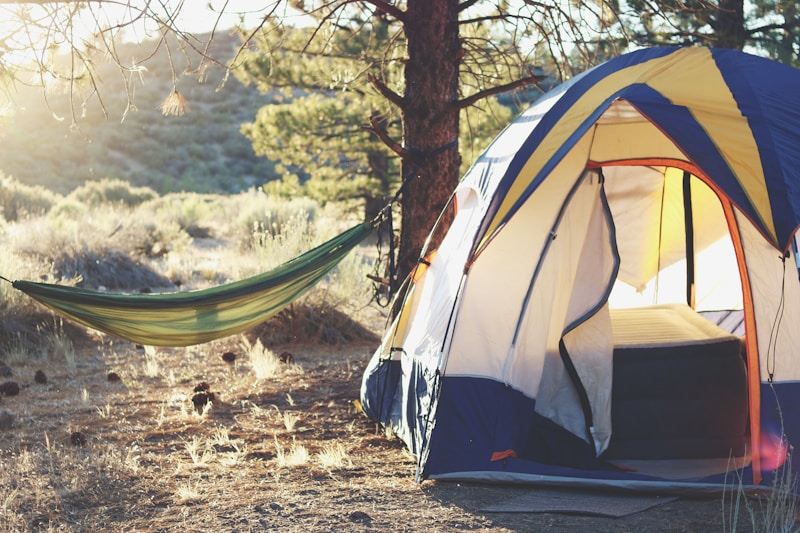
A quality four-season family tent with a full rainfly offers the best protection. Look for models with multiple ventilation options to prevent condensation buildup and maintain comfortable temperatures.
Don't overlook the importance of a tent footprint and additional tarps. These create dry areas for diaper changes, feeding, and play time even during wet weather.
Building Your Infant Camping Gear Checklist
Let's break down the complete gear list into manageable categories. This isn't about buying everything at once—it's about understanding what you'll eventually need as your camping adventures progress.
Core Safety Equipment
- First aid kit with infant-specific supplies including infant pain reliever, thermometer, and any prescribed medications
- Sun protection including baby-safe sunscreen (for infants over 6 months), sun hats with neck flaps, and UV-protective clothing
- Insect protection such as mesh netting for carriers and sleeping areas, plus baby-safe insect repellent for older infants
- Emergency communication device like a satellite messenger or personal locator beacon for remote areas
- Headlamp with red light mode for nighttime diaper changes and feedings without disrupting sleep
Feeding and Hydration Supplies
Whether you're breastfeeding, bottle-feeding, or introducing solids, proper nutrition equipment is critical for infant camping success.
- Insulated bottles or nursing cover for privacy and weather protection
- Portable bottle warmer or thermos for maintaining water temperature
- Collapsible bowls and baby spoons for infants eating solids
- Bear-proof food storage containers (yes, formula and baby food count as scented items)
- Water filtration system if you'll be treating water for formula preparation
Clothing and Layering Systems
Babies need more layers than adults because they're less active and generate less body heat. The key is versatility—clothes that work across different temperature ranges and weather conditions.
Pack moisture-wicking base layers, insulating mid-layers like fleece or down, and waterproof outer shells. Bring at least twice as many outfits as you think you'll need because babies are remarkably talented at creating laundry in the wilderness.
Seasonal Considerations for Infant Camping Gear
The season dramatically impacts which gear you'll need and how you'll use it. Let's explore the unique challenges and equipment requirements for each season.
Spring and Fall Camping
Shoulder seasons offer beautiful camping conditions but require careful preparation for temperature swings. Daytime temperatures might reach 70°F while nights drop to 40°F or below.
Focus on layering systems that adapt quickly. A quality sleep sack rated for cooler temperatures becomes essential. Consider a four-season tent even if you're camping in mild conditions—the extra insulation and weather protection provides peace of mind.
Summer Adventures
Heat management and sun protection dominate summer camping concerns. Lightweight, breathable fabrics keep babies comfortable while UV-protective clothing guards against sunburn.
Tent placement matters enormously in summer. Choose shaded sites and orient your tent to maximize morning shade as temperatures rise. A battery-powered fan can make sleeping more comfortable for everyone.
Winter Camping with Infants
Winter camping with an infant requires advanced planning and experience. Most experts recommend waiting until you've mastered three-season camping before attempting winter trips.
If you do venture out in winter, invest in expedition-grade gear including a four-season tent, insulated sleeping pads with high R-values, and a sleep system rated for extreme cold. Never rely solely on gear—always have a bailout plan if conditions deteriorate.
Selecting Quality Over Quantity
When building your collection of infant camping gear, resist the urge to buy everything immediately. Start with essentials and add items as you discover your family's specific needs and camping style.
Prioritize multi-functional gear that serves multiple purposes. A quality hiking backpack carrier with storage pockets eliminates the need for a separate diaper bag on day hikes. A versatile tarp provides shade, rain protection, and a clean play area.
At Offtrailvermont, we understand that outdoor families need gear that performs reliably in real-world conditions. Whether you're planning your first camping trip with an infant or you're a seasoned adventurer expanding your family, the right equipment makes all the difference.
Practical Tips for Using Infant Camping Gear
Owning great gear is only half the equation. Knowing how to use it effectively separates stressful camping trips from memorable family adventures.
Practice at Home First
Set up your tent in the backyard and spend a night there before heading into the wilderness. This lets you troubleshoot issues in a controlled environment and helps your baby adjust to sleeping in new surroundings.
Practice using your baby carrier on local trails. Start with short walks and gradually increase distance as you both become more comfortable with the system.
Create Efficient Systems
Organization becomes critical when camping with an infant. Designate specific stuff sacks or packing cubes for different categories: one for clothing, another for feeding supplies, a third for diaper changing essentials.
Keep frequently-needed items in easily accessible locations. Diapers, wipes, and a change of clothes should never be buried at the bottom of your pack.
Maintain Routines When Possible
Babies thrive on predictability. Try to maintain feeding schedules, nap times, and bedtime routines as closely as possible to your home routine. This familiarity provides comfort in unfamiliar surroundings.
Bring a favorite blanket, stuffed animal, or other comfort item that smells like home. These small touches can make a significant difference in how well your infant adapts to camping.
Common Mistakes to Avoid
Learning from others' mistakes is far less painful than making them yourself. Here are the most common pitfalls new parents encounter when selecting and using infant camping gear.
Overpacking: Yes, babies need a lot of stuff, but you don't need to bring your entire nursery. Focus on essentials and multi-use items. Every extra pound you carry is energy you won't have for enjoying the experience.
Choosing destinations beyond your skill level: Your first camping trip with an infant isn't the time to tackle remote backcountry locations. Start with established campgrounds that offer amenities like running water and nearby medical facilities.
Ignoring weather forecasts: Weather can change rapidly, especially in mountainous terrain. Check forecasts obsessively and have backup plans. Being flexible isn't giving up—it's being a responsible parent.
Forgetting about noise: Babies make noise, especially at night. Choose campsites away from other campers when possible, and be prepared to take nighttime walks if your little one needs soothing.
Budget-Friendly Approaches to Infant Camping Gear
Quality infant camping gear represents a significant investment. Here's how to build your collection without depleting your savings account.
Consider buying used gear for items your baby will quickly outgrow. Baby carriers, portable cribs, and clothing can often be found in excellent condition at consignment shops or online marketplaces.
Rent expensive items for your first few trips. Many outdoor retailers and specialized rental companies offer baby carriers and other camping equipment. This lets you test different brands and styles before committing to a purchase.
Borrow from friends who've recently camped with infants. Experienced parents often have gear their children have outgrown and are happy to lend to fellow adventurers.
Invest in items that will last through multiple children or years of use. A quality four-season tent, for example, will serve your family long after your infant becomes a toddler and beyond.
Frequently Asked Questions
Most pediatricians agree that healthy, full-term babies can go camping as early as 2-3 months old, once they've had their first round of vaccinations. However, many parents prefer to wait until 6 months when babies have better temperature regulation and immune systems. Always consult your pediatrician before planning your first camping trip with an infant.
Layer your baby in moisture-wicking base layers, insulating mid-layers, and weather-resistant outer layers. Use a four-season sleeping bag rated for temperatures 10-15 degrees lower than expected. Never place blankets or loose items in the sleeping area. Consider co-sleeping safely in a family-sized tent with proper ventilation, and always check your baby's neck or chest to ensure they're not overheating or too cold.
While all gear is important, a quality baby carrier designed for hiking is arguably the most essential piece. It allows you to safely transport your infant on trails while keeping your hands free for balance and other tasks. Look for carriers with proper head and neck support, sun protection, adjustable fit, and adequate ventilation.
Regular cribs and bassinets aren't practical for camping due to their size and weight. Instead, invest in a lightweight travel crib or bassinet specifically designed for camping. These fold compactly, weigh significantly less, and are built to handle outdoor conditions. Some parents also successfully use padded sleeping pods or co-sleep safely with proper precautions.
Create a portable changing station using a waterproof changing pad, sealed bags for dirty diapers, biodegradable wipes, and hand sanitizer. Pack more diapers than you think you'll need—a good rule is 10-12 per day. Store dirty diapers in odor-proof bags and pack them out with your trash. Consider setting up a dedicated changing area in your tent vestibule or under a tarp for weather protection.
Taking Your Family's First Steps Into the Wilderness
Camping with an infant transforms how you experience the outdoors. It slows you down, makes you more observant, and creates opportunities for connection that simply don't exist in everyday life.
The right infant camping gear doesn't just make trips possible—it makes them enjoyable. When you're confident in your equipment, you can focus on what matters: introducing your child to the natural world and building a foundation for a lifetime of outdoor adventures.
Start with short trips close to home. Test your gear, learn your baby's rhythms in the outdoors, and gradually expand your comfort zone. Every family's journey looks different, and that's perfectly fine.
Remember that the goal isn't to prove anything or check boxes on some imaginary achievement list. It's about creating experiences that enrich your family's life and nurture your child's relationship with nature.
Whether you're planning a weekend at an established campground or dreaming of more ambitious adventures, Offtrailvermont celebrates families who refuse to let parenthood end their outdoor pursuits. The wilderness has always been there, and now you get to share it with the newest member of your adventure crew.
Your baby won't remember these early camping trips, but you will. More importantly, you're establishing patterns and priorities that will shape their childhood and beyond. You're showing them that adventure, nature, and family aren't separate categories—they're threads that weave together into a rich, full life.
So gather your infant camping gear, check the weather forecast one more time, and head outside. The trails are waiting, and they're more beautiful than ever when experienced through the eyes of a parent.