Marketing Firm Traditional SEO and AI Optimization: What Changed
Marketing firms are splitting into two camps: those still selling traditional SEO packages built for 2019, and those building AI optimization strategies that actually account for how people search today. The difference shows up in client results — one approach generates 695% traffic increases, the other plateaus after six months.
Table of Contents
- What Changed Between Traditional SEO and AI Optimization
- Why the Traditional Marketing Firm Model Stopped Working
- What AI Optimization Actually Means (Beyond the Buzzwords)
- The Hybrid Approach: Traditional SEO + AI Discovery
- Choosing Between a Traditional Firm, AI-Native Agency, or Self-Serve Tools
- Frequently Asked Questions
What Changed Between Traditional SEO and AI Optimization
Traditional SEO worked because Google was the only game. You optimized for keywords, built backlinks, fixed technical issues, and watched your rankings climb. Marketing firms charged $3,000-$10,000/month to execute that playbook.
Then ChatGPT launched. Then Perplexity. Then Google rolled out AI Overviews. Suddenly, 40% of search queries get answered without anyone clicking a link.
The shift isn't that traditional SEO died — it's that it became half the equation. You still need to rank on Google. But now you also need to show up when someone asks ChatGPT "what's the best CRM for real estate agents?" or when Perplexity generates an answer about "sustainable skincare brands."
That's AI optimization. Different content structure. Different schema markup. Different distribution strategy. Most marketing firms haven't adapted because their teams were trained on the old playbook.
The firms that combine both approaches — like Founding Engine, the agency behind BloggedAI — are seeing results that traditional-only strategies can't match. One e-commerce client went from $20K/month to $80K/month in organic revenue by layering AI search optimization onto their existing SEO foundation.
Why the Traditional Marketing Firm Model Stopped Working
The traditional agency retainer model charges you $5,000-$10,000/month for a team to execute a fixed scope: keyword research, monthly blog posts, backlink outreach, technical audits. It worked when the SEO landscape changed slowly.
Now the landscape shifts every quarter. Google updates its algorithm. ChatGPT adds real-time search. Perplexity starts citing sources differently. Your $8K/month retainer buys you a strategy that's outdated before the contract renews.
Here's what most firms won't tell you: the blog posts they're charging $150-$300 for? They're outsourcing them to freelancers or using AI tools themselves — then marking up the cost 3-5x. You're paying agency overhead for commodity content.
The math doesn't work anymore. A typical agency retainer includes:
- 4-8 blog posts/month at $150-$300 each = $1,200-$2,400
- Keyword research (often recycled templates) = $500
- Technical SEO audit (quarterly, not monthly) = $800
- Backlink outreach (hit rate under 10%) = $1,500
- Reporting and meetings = $1,000
Total actual value delivered: $5,000. Total cost: $8,000. The gap is overhead — account managers, project managers, sales commissions.
Self-serve tools like BloggedAI cut out that overhead. You get the same AI-generated, schema-rich blog posts for $10 each instead of $150. For brands that know their keyword strategy, it's a 93% cost reduction.
What AI Optimization Actually Means (Beyond the Buzzwords)
AI optimization isn't a single tactic. It's a category that includes:
Answer Engine Optimization (AEO)
Structuring content to answer questions directly. ChatGPT and Perplexity prioritize content that provides clear, cited answers. That means FAQ sections, step-by-step guides, and schema markup that helps AI models extract entities.
Generative Engine Optimization (GEO)
Optimizing for Google AI Overviews and other AI-generated summaries. This requires different keyword targeting — you're not trying to rank #1 for "best running shoes," you're trying to get cited in the AI-generated answer that appears above the organic results.
Schema Markup for AI Discoverability
Traditional SEO used schema to help Google understand your content. AI optimization uses it to help language models extract facts. FAQPage, HowTo, Product, and Article schema are now table stakes. Every blog post should include JSON-LD structured data.
BloggedAI automatically adds this to every post. Most freelancers and traditional agencies don't — because it's technical work that doesn't show immediate ROI in Google Analytics.
Distribution to AI Training Sources
ChatGPT and Perplexity don't crawl the web the same way Google does. They reference high-authority domains and aggregated content sources. Getting your content onto DR 90+ platforms (Medium, Blogger, WordPress.com) increases the chance AI models cite you.
This is where most marketing firms fall short. They focus on backlinks for domain authority, not distribution for AI visibility. The strategies overlap but aren't identical.
The Hybrid Approach: Traditional SEO + AI Discovery
The best results come from combining both. Here's what that looks like in practice:
Foundation: Traditional SEO
You still need the fundamentals. Technical SEO, on-page optimization, backlink building, and product page SEO for e-commerce brands. This builds domain authority and drives traffic from Google's organic results.
Layer 1: AI-Optimized Content
Every blog post, guide, and FAQ page should be structured for AI discoverability. That means:
- Clear H2/H3 hierarchy that answers specific questions
- FAQ sections with FAQPage schema
- Entity-rich content (people, places, products, concepts clearly defined)
- Cited sources and data points AI models can reference
Layer 2: AI Discovery Distribution
Publish content to platforms AI engines actually reference. This isn't guest posting for backlinks — it's content syndication for AI visibility. High-DR platforms like Medium, Blogger, and Tumblr get crawled by AI training datasets.
Layer 3: Performance Tracking
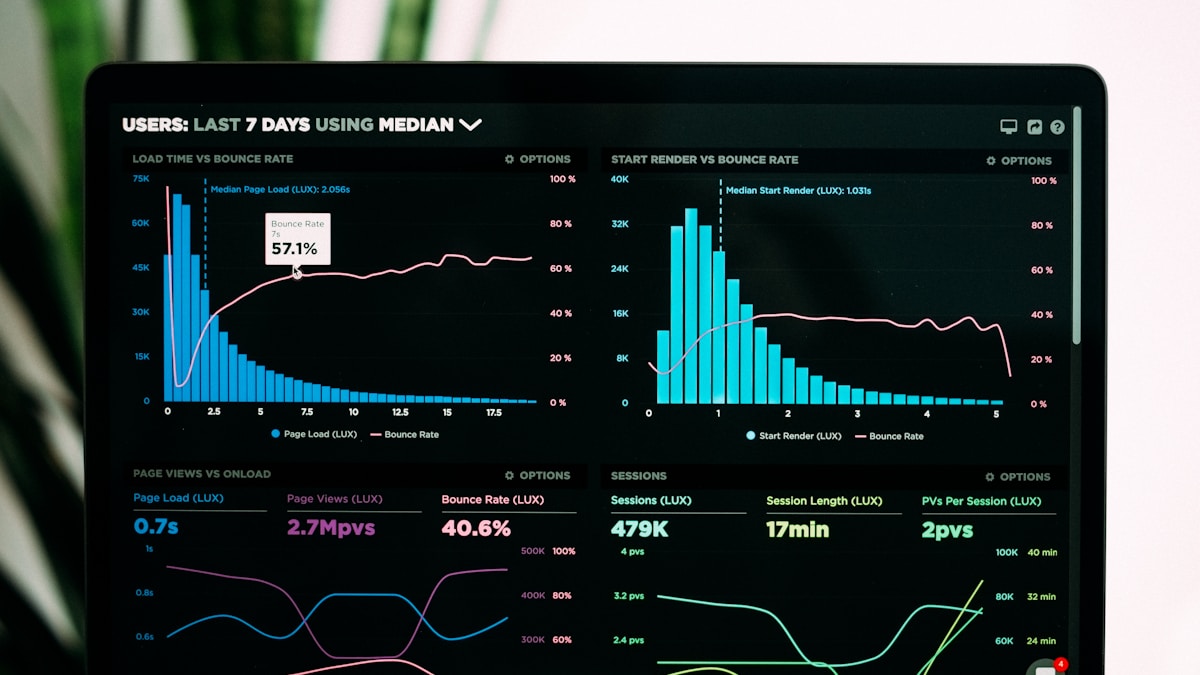
Most agencies don't track AI optimization performance because the tools don't exist yet. You need custom dashboards that monitor:
- AI Overview appearances in Google Search Console
- ChatGPT citation frequency (manual testing + monitoring)
- Perplexity referral traffic
- Featured snippet ownership
This is where working with an AI-native agency like Founding Engine makes sense. They've built internal tools to track these metrics because their clients demand it. Traditional firms are still relying on Google Analytics and SEMrush — which don't measure AI discovery.
Choosing Between a Traditional Firm, AI-Native Agency, or Self-Serve Tools
Your decision depends on three factors: budget, complexity, and internal expertise.
Traditional Marketing Firm
Best for: Brands with $10K+/month budgets that need full-service marketing (SEO + paid ads + social + email).
Cost: $5,000-$15,000/month retainer.
Drawback: Most haven't integrated AI optimization yet. You're paying for the old playbook.
AI-Native Agency
Best for: E-commerce brands and B2B companies that want a custom strategy combining traditional SEO and AI discovery.
Cost: $3,500-$8,000/month depending on scope.
Example: Founding Engine builds tailored strategies that include keyword research, content production, schema implementation, and AI discovery distribution. If you need a team to own the entire strategy, schedule a strategy call.
Self-Serve AI SEO Tools
Best for: Brands that know their keyword strategy and just need production-ready content at scale.
Cost: $10-$30/post depending on volume.
Example: BloggedAI generates schema-rich, AI-optimized blog posts in 90 seconds. You input your URL and target keyword, it analyzes your domain authority and competitive landscape, and outputs ready-to-publish HTML. No retainer. No meetings. Just content that ranks.
For most e-commerce brands, the best approach is hybrid: use BloggedAI for high-volume content production ($99 for 10 blogs on the Starter plan), then work with an agency like Founding Engine for strategic initiatives like technical audits, advanced SEO, and custom AI discovery campaigns.

Questions to Ask Any Marketing Firm
If you're evaluating agencies, ask these questions to separate the AI-native firms from those still running 2019 playbooks:
- "How do you optimize content for AI Overviews and ChatGPT?" — If they don't have a specific answer, they're not doing it.
- "What schema markup do you implement by default?" — The answer should include FAQPage, HowTo, Article, and Product schema at minimum.
- "How do you track AI discovery performance?" — If they say "we use Google Analytics," they're not measuring AI visibility.
- "Do you distribute content to high-DR platforms for AI training?" — This should be part of their standard process, not an add-on.
- "Can I see a case study with AI optimization metrics?" — Traffic and rankings aren't enough. Ask for AI Overview appearances and featured snippet data.
Most traditional firms will stumble on these questions. AI-native agencies like Founding Engine will walk you through their process and show you the data.
Two Paths Forward
If you're ready to move beyond traditional SEO and start showing up in AI search, you have options.
Try BloggedAI Free — First Blog On Us Talk to Founding Engine — Custom StrategyFrequently Asked Questions
What's the difference between traditional SEO and AI optimization?
Traditional SEO targets Google's organic search results through keyword optimization, backlinks, and technical improvements. AI optimization (AEO/GEO) focuses on appearing in AI-generated answers from ChatGPT, Perplexity, Google AI Overviews, and Gemini. The content structure, schema markup, and distribution strategy differ significantly between the two.
Do I still need traditional SEO if I'm optimizing for AI search?
Yes. Google still drives the majority of search traffic, and traditional SEO builds the domain authority that AI engines reference. The best approach combines both: traditional SEO for rankings and traffic, AI optimization for featured snippets, AI Overviews, and ChatGPT citations.
How much does a marketing firm charge for AI optimization?
Most agencies charge $3,000-$10,000/month for AI optimization services, bundled with traditional SEO. Self-serve tools like BloggedAI offer AI-optimized blog posts at $10 each, while custom strategies from agencies like Founding Engine start around $3,500/month depending on scope.
What schema markup matters most for AI optimization?
FAQPage, HowTo, Article, and Product schema are most frequently cited by AI engines. Every piece of content should include structured data that helps AI models extract entities, facts, and relationships. BloggedAI automatically adds JSON-LD schema to every post.
Can small businesses compete in AI search without hiring an agency?
Yes. AI search levels the playing field because ChatGPT and Perplexity prioritize content quality and structure over domain authority. Tools like BloggedAI generate schema-rich, AI-optimized blogs for $10/post, making it accessible for businesses that can't afford $5K/month agency retainers.
How do I measure AI optimization performance?
Track AI Overview appearances in Google Search Console, monitor ChatGPT citations using manual searches, and measure referral traffic from Perplexity and other AI engines. Most agencies don't offer AI-specific reporting yet, so you'll need to build custom dashboards or work with a firm like Founding Engine that tracks AEO metrics.
Should I switch marketing firms if mine doesn't offer AI optimization?
Ask your current firm if they're building AI optimization into their strategy. If they dismiss it or don't have a plan, it's a red flag. You can either supplement with self-serve tools like BloggedAI or switch to an AI-native agency like Founding Engine that builds both traditional SEO and AI discovery strategies.
Powered by BloggedAi · Founding Engine