The Ultimate Oily Skin Skincare Routine: Your Complete Guide to Clear, Balanced Skin
If you're constantly battling shine, enlarged pores, and breakouts, you're not alone. Oily skin affects millions of people worldwide, but here's the good news: with the right approach, you can transform your complexion from frustratingly greasy to beautifully balanced.
This comprehensive guide will walk you through everything you need to know about creating an effective oily skin skincare routine that actually works—no more trial and error, just proven strategies backed by dermatological science.

Understanding Oily Skin: Why Your Skin Produces Excess Sebum
Before diving into products and routines, it's essential to understand what's happening beneath your skin's surface. Oily skin results from overactive sebaceous glands that produce too much sebum—the natural oil that keeps skin moisturized and protected.
Several factors contribute to excess oil production:
- Genetics: Your skin type is largely inherited from your parents
- Hormones: Androgens stimulate sebaceous glands, especially during puberty, menstruation, and stress
- Climate: Hot, humid weather increases oil production
- Over-cleansing: Stripping skin of natural oils triggers rebound oil production
- Wrong products: Heavy, comedogenic formulas can exacerbate oiliness
- Diet: High-glycemic foods and dairy may increase sebum production in some people
Understanding these triggers helps you make informed decisions about your skincare approach. The goal isn't to eliminate oil completely—your skin needs some sebum to stay healthy. Instead, you're aiming for balance.
The Essential Steps of an Oily Skin Skincare Routine
A successful oily skin skincare routine follows a strategic sequence designed to cleanse, balance, treat, and protect without overwhelming your skin. Let's break down each critical step.
Step 1: Gentle Yet Effective Cleansing
Cleansing is the foundation of any skincare routine, but it's especially crucial for oily skin. The key is finding the sweet spot between thorough cleansing and maintaining your skin's natural barrier.
Choose a gel-based or foaming cleanser containing salicylic acid or glycolic acid. These ingredients penetrate pores to dissolve excess oil and prevent buildup. Avoid harsh sulfates that strip skin completely—this paradoxically triggers more oil production.
Cleanse twice daily: once in the morning to remove overnight oil accumulation, and once in the evening to remove makeup, sunscreen, and environmental pollutants. Use lukewarm water, as hot water can stimulate oil glands.
Step 2: Balancing with Toner
Toner often gets skipped, but it's a game-changer for oily skin. The right toner restores your skin's pH balance after cleansing and prepares it to absorb subsequent products more effectively.
Look for toners containing niacinamide, witch hazel (alcohol-free), or salicylic acid. Niacinamide is particularly beneficial as it regulates sebum production, minimizes pores, and reduces inflammation. Apply toner with a cotton pad or pat it directly into skin with clean hands.
Step 3: Targeted Treatment Serums
Serums deliver concentrated active ingredients deep into your skin. For oily skin, focus on formulas that address your specific concerns—whether that's excess oil, enlarged pores, or acne.
Recommended active ingredients include:
- Niacinamide (5-10%): Reduces oil production and pore appearance
- Salicylic acid (1-2%): Exfoliates inside pores to prevent congestion
- Retinol: Regulates cell turnover and prevents clogged pores
- Vitamin C: Brightens and protects without adding oil
Apply serums to slightly damp skin for better absorption. Start with one active ingredient and introduce others gradually to avoid irritation.
Step 4: Lightweight Moisturization
Here's a common mistake: people with oily skin often skip moisturizer, thinking it will make them greasier. This is counterproductive. When skin feels dehydrated, it compensates by producing more oil.
The solution is choosing the right type of moisturizer. Opt for oil-free, non-comedogenic, gel-based formulas that provide hydration without heaviness. Ingredients like hyaluronic acid draw moisture into skin without adding oil, while dimethicone creates a smooth, matte finish.
Apply moisturizer while your skin is still slightly damp from previous steps to lock in hydration. A pea-sized amount is typically sufficient for your entire face.
Step 5: Daily Sun Protection
Sunscreen is non-negotiable, regardless of skin type. UV damage triggers inflammation and can actually increase oil production. The challenge is finding formulas that don't leave a greasy residue.
Choose mineral sunscreens with zinc oxide or titanium dioxide, or lightweight chemical sunscreens labeled "oil-free" or "matte finish." Many modern formulas are specifically designed for oily skin and actually help control shine throughout the day.
Apply SPF 30 or higher every morning as your final skincare step, and reapply every two hours if you're outdoors.
Weekly Treatments to Enhance Your Oily Skin Skincare Routine
Beyond your daily routine, incorporating weekly treatments can significantly improve oil control and skin texture. These intensive treatments provide deeper cleansing and exfoliation.
Clay Masks (1-2 Times Weekly)
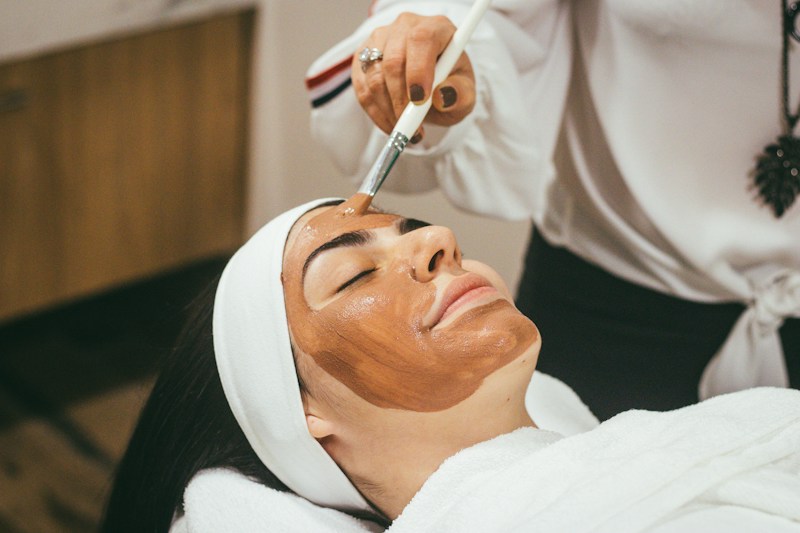
Clay masks are incredibly effective for oily skin. Kaolin and bentonite clay absorb excess oil, draw out impurities from pores, and provide a deep cleanse without harsh stripping.
Apply clay masks to clean, dry skin and leave on for 10-15 minutes—no longer, as over-drying can trigger rebound oil production. Follow with your regular routine, paying extra attention to moisturizing.
Chemical Exfoliation (2-3 Times Weekly)
Regular exfoliation prevents dead skin cells from mixing with sebum and clogging pores. For oily skin, chemical exfoliants are superior to physical scrubs, which can irritate and stimulate more oil production.
Use products containing AHAs (glycolic or lactic acid) or BHAs (salicylic acid). BHAs are oil-soluble, making them particularly effective for oily, acne-prone skin as they penetrate deep into pores.
Morning vs. Evening: Optimizing Your Routine for Different Times
Your skin's needs vary throughout the day, so your morning and evening routines should differ slightly to maximize effectiveness.
| Morning Routine | Evening Routine |
|---|---|
| Gentle cleanser | Oil-based cleanser (if wearing makeup) |
| Balancing toner | Water-based cleanser |
| Vitamin C serum | Exfoliating toner |
| Lightweight moisturizer | Treatment serum (retinol or niacinamide) |
| Mattifying sunscreen | Gel moisturizer |
Morning routines focus on protection and oil control throughout the day, while evening routines emphasize repair and treatment when skin is in recovery mode.
Common Mistakes That Sabotage Your Oily Skin Skincare Routine
Even with the best intentions, certain habits can undermine your efforts. Avoid these common pitfalls:
"The biggest mistake I see with oily skin patients is over-cleansing and using harsh products. This creates a vicious cycle where skin produces even more oil to compensate for being stripped." - Common dermatological observation
- Over-washing: Cleansing more than twice daily strips natural oils
- Skipping moisturizer: Dehydrated skin overcompensates with oil
- Using alcohol-based products: These provide temporary mattifying but trigger rebound oil
- Picking and touching: This spreads bacteria and stimulates oil glands
- Not changing pillowcases: Oil and bacteria accumulate on bedding
- Inconsistent routine: Results require 6-8 weeks of consistent use
Lifestyle Factors That Impact Oily Skin
Your skincare routine is just one piece of the puzzle. Lifestyle choices significantly influence sebum production and overall skin health.
Diet and Hydration
While the diet-skin connection is still being researched, many people notice improvements when they reduce high-glycemic foods, dairy, and processed sugars. These foods may increase insulin levels, which can stimulate oil production.
Staying well-hydrated helps maintain skin's moisture balance from within. Aim for at least eight glasses of water daily, and include foods rich in omega-3 fatty acids, which have anti-inflammatory properties.
Stress Management
Stress triggers cortisol release, which stimulates sebaceous glands. Incorporating stress-reduction techniques like meditation, exercise, or yoga can have noticeable effects on your skin.
Sleep Quality
During sleep, your skin repairs itself and regulates hormone production. Poor sleep disrupts this process and can increase oil production. Aim for 7-9 hours of quality sleep nightly.
Building Your Perfect Routine with Test Store
Creating an effective oily skin skincare routine doesn't have to be overwhelming. At Test Store, you'll find carefully curated products specifically formulated for oily and combination skin types.
The key is starting simple and building gradually. Begin with the core four steps—cleanse, tone, moisturize, and protect—then add targeted treatments as needed. Pay attention to how your skin responds and adjust accordingly.
Remember that consistency matters more than perfection. Even the most expensive products won't work if used sporadically. Commit to your routine for at least 6-8 weeks before evaluating results.
Ready to Transform Your Oily Skin?
Discover our complete range of oil-control products designed specifically for your skin type. Every product at Test Store is carefully selected to help you achieve the balanced, clear complexion you deserve.
Frequently Asked Questions
Conclusion: Your Journey to Balanced, Beautiful Skin
Managing oily skin doesn't have to be a constant struggle. With the right oily skin skincare routine, you can achieve the clear, balanced complexion you've always wanted. The key is understanding your skin's needs and responding with gentle, consistent care rather than harsh, reactive treatments.
Remember these core principles: cleanse without stripping, hydrate without adding oil, protect consistently, and treat strategically. Avoid the temptation to over-do it—more products and harsher ingredients aren't the answer. Instead, focus on quality formulations designed specifically for oily skin.
Your skin is unique, and finding the perfect routine may require some experimentation. Be patient with the process, track what works, and don't be afraid to adjust as your skin's needs change with seasons, stress levels, and life stages.
Ready to take control of your oily skin? Visit Test Store to explore our expertly curated selection of products designed to help you build your perfect routine. Your journey to balanced, confident skin starts today.