Winter Newborn Essentials: Complete Guide for Cold Weather Baby Care
Bringing home a newborn during winter months presents unique challenges that can feel overwhelming for new parents. The combination of frigid temperatures, dry indoor air, and the vulnerability of your tiny baby requires careful preparation and the right supplies.
Whether you're expecting a December baby or navigating your first winter with a newborn, having the proper winter newborn essentials makes all the difference between confident parenting and constant worry. This comprehensive guide will walk you through everything you need to keep your little one safe, warm, and comfortable during the coldest months of the year.

Understanding Your Newborn's Temperature Regulation
Before diving into specific products, it's crucial to understand how newborns regulate body temperature. Babies are born with an immature thermoregulation system, making them particularly vulnerable to temperature fluctuations.
Unlike adults, newborns cannot shiver effectively to generate warmth, and they have a larger surface area relative to their body weight. This means they lose heat much faster than older children and adults, especially through their heads, which account for about 25% of their body surface area.
At the same time, overheating poses serious risks including increased SIDS (Sudden Infant Death Syndrome) risk. The key is finding that perfect balance—and that's where having the right winter newborn essentials becomes critical.
Essential Winter Clothing for Newborns
Base Layers and Everyday Wear
The foundation of your winter wardrobe should include soft, breathable base layers. Cotton onesies in both short and long-sleeve varieties give you flexibility to layer according to indoor and outdoor temperatures.
Stock up on these essential clothing items:
- Long-sleeve onesies (6-8): These serve as the foundation layer for nearly every outfit
- Footed sleepers (4-6): Choose fleece or thermal cotton for warmth without bulk
- Sleep sacks: A safer alternative to blankets that keeps babies warm all night
- Kimono-style tops: Easier to put on than over-the-head styles, reducing stress for you and baby
- Warm pants with elastic waists: Comfortable and easy for frequent diaper changes
Outdoor Winter Gear
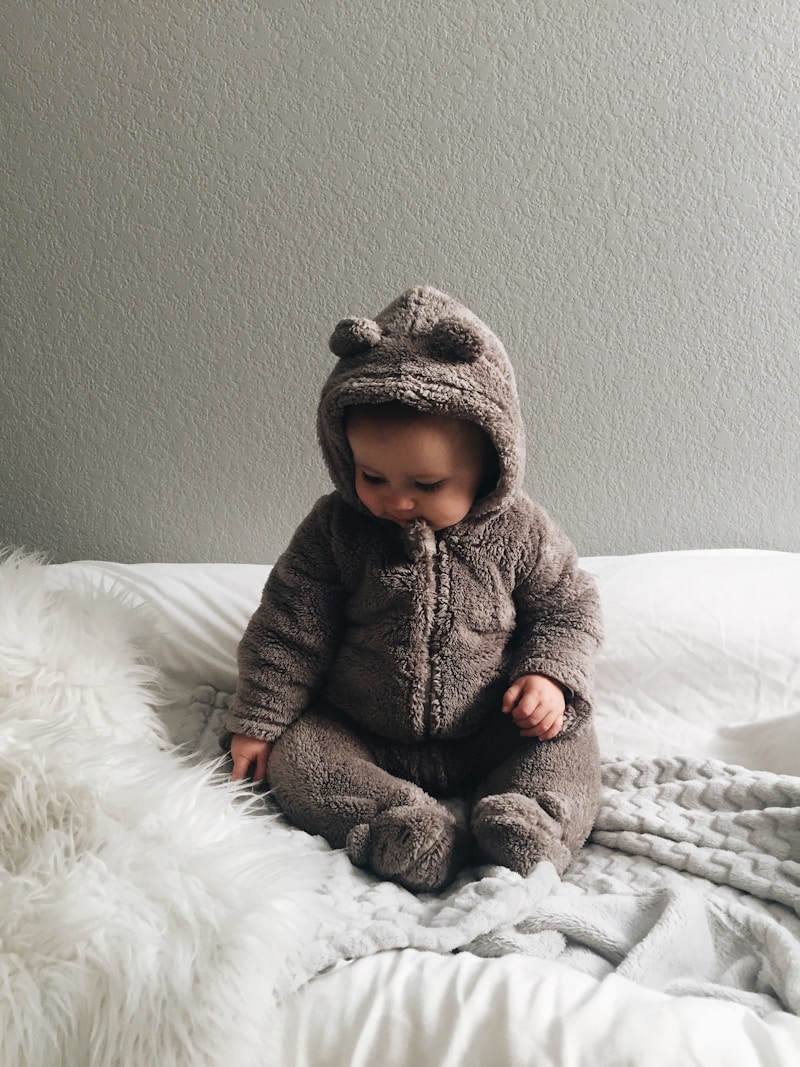
When venturing outside, your baby needs protection from wind, cold, and moisture. Never use puffy coats in car seats, as they compress during a crash and create dangerous slack in the harness.
Instead, invest in these safer alternatives:
- Bunting or pram suit: These envelope your baby in warmth and can be used in car seats safely
- Car seat covers: Specifically designed to go over the car seat after buckling
- Multiple hats: Choose soft cotton or fleece options that cover the ears
- Mittens without strings: Strings pose strangulation risks; choose mitts that stay on securely
- Warm socks and booties: Layer these under the bunting for extra warmth
Creating a Warm and Safe Sleep Environment
Sleep safety remains paramount even in winter. The American Academy of Pediatrics recommends keeping your baby's room between 68-72°F and avoiding loose blankets in the crib.
Sleep Essentials for Winter
A properly weighted sleep sack is your best friend during winter months. These wearable blankets keep babies warm without the suffocation risk of loose bedding.
Choose sleep sacks with TOG ratings appropriate for your home's temperature. TOG (Thermal Overall Grade) measures insulation:
| TOG Rating | Room Temperature | What Baby Should Wear |
|---|---|---|
| 0.5 TOG | 74°F+ | Short-sleeve onesie |
| 1.0 TOG | 69-73°F | Long-sleeve onesie |
| 2.5 TOG | 61-68°F | Long-sleeve onesie + footie pajamas |
Additional sleep environment essentials include blackout curtains to maintain warmth and a room thermometer to monitor conditions accurately.
Protecting Delicate Winter Skin
Winter weather wreaks havoc on newborn skin. The combination of cold outdoor air and dry indoor heating strips away natural moisture, leading to chapping, redness, and discomfort.
Winter Skincare Must-Haves
Building a simple but effective skincare routine protects your baby's delicate skin barrier. Focus on gentle, fragrance-free products specifically formulated for newborns.
Your winter skincare kit should include:
- Gentle moisturizing lotion: Apply after every bath and as needed throughout the day
- Petroleum jelly: Perfect for extremely dry patches and protecting cheeks from wind
- Diaper barrier cream: Extra protection against moisture in the diaper area
- Gentle, fragrance-free soap: Use sparingly—water alone is sufficient for most baths
- Baby-safe lip balm: For chapped lips, though newborns rarely need this
Pro tip: Apply moisturizer within three minutes of bathing while skin is still damp. This locks in moisture more effectively than applying to completely dry skin.
Bath Time Adjustments for Winter
Winter bathing requires some modifications to prevent heat loss and skin dryness. Newborns don't need daily baths—two to three times per week is sufficient unless they have a diaper blowout.
Keep the bathroom warm (around 75°F), use lukewarm rather than hot water, and limit bath time to 5-10 minutes. Have towels warming on a radiator or in the dryer so you can wrap your baby immediately.

Winter Feeding Considerations
Whether you're breastfeeding or bottle-feeding, winter presents unique considerations. Cold weather can affect milk supply, feeding comfort, and your baby's hydration needs.
Breastfeeding in Winter
Nursing covers or blankets help keep both you and baby warm during feeds. However, ensure your baby's face remains uncovered to prevent overheating and allow proper breathing.
Stay hydrated yourself—dry winter air and indoor heating increase fluid needs for nursing mothers. Keep a water bottle within reach of your favorite feeding spots.
Bottle-Feeding Essentials
Cold bottles can be uncomfortable for babies. Consider a bottle warmer that brings milk to the perfect temperature quickly. For nighttime feeds, keep a thermos of warm water nearby to speed up the warming process.
Never microwave bottles, as this creates hot spots that can burn your baby's mouth. Always test temperature on your inner wrist before feeding.
Managing Indoor Air Quality
Winter means closed windows and constant heating, which significantly reduces indoor air quality and humidity. This affects your newborn's breathing, skin, and overall comfort.
Humidifier Selection and Use
A cool-mist humidifier is one of the most valuable winter newborn essentials. It maintains optimal humidity levels (30-50%), preventing dry skin, congestion, and respiratory irritation.
Choose a humidifier with these features:
- Cool mist rather than warm mist (safer around babies)
- Easy-to-clean design to prevent mold growth
- Automatic shut-off when water runs out
- Quiet operation for use during sleep
- Adequate capacity for overnight use
Clean your humidifier every three days with white vinegar to prevent bacterial growth. Empty and dry it completely when not in use.
Transportation and Outdoor Gear
Getting out of the house with a newborn in winter requires strategic planning and the right equipment. Fresh air benefits both you and baby, but safety comes first.
Stroller Accessories for Cold Weather
Transform your regular stroller into a winter-ready transport system with these additions:
- Weather shield: Clear plastic covers that protect from wind and precipitation while allowing visibility
- Stroller bunting: Specifically designed to fit in stroller harnesses safely
- Stroller hand muff: Keeps your hands warm while maintaining control
- Extra blankets: Tucked around baby for additional warmth (but not over the face)
Baby Carrier Considerations
Baby wearing in winter keeps your little one warm through body heat while keeping your hands free. Wear baby under your coat when possible, checking frequently that they're not overheating.
Special baby-wearing coats or coat extenders accommodate both you and baby. Ensure baby's airways remain clear and their face is visible at all times.
Health and Safety Monitoring
Winter brings increased risks of illness and requires vigilant monitoring of your newborn's wellbeing. Understanding warning signs helps you respond appropriately.
Temperature Monitoring Tools
Every parent needs a reliable thermometer. Digital temporal artery or rectal thermometers provide the most accurate readings for newborns. Rectal temperature is the gold standard for babies under three months.
A fever in a newborn (temperature of 100.4°F or higher) requires immediate medical attention. Don't attempt to treat it at home—contact your pediatrician right away.
Signs of Being Too Cold or Too Hot
Check your baby's temperature by feeling their chest or back—not their hands or feet, which are naturally cooler. A warm chest indicates appropriate temperature; cold skin suggests they need another layer.
Signs of overheating include:
- Damp hair or sweating
- Flushed cheeks
- Rapid breathing
- Heat rash
- Restlessness or irritability
If you notice these signs, remove a layer and allow your baby to cool gradually.
Building Your Winter Emergency Kit
Power outages and winter storms can strike without warning. Preparing an emergency kit ensures you can care for your newborn even when conditions become challenging.
Your kit should include:
- Battery-powered or hand-crank radio
- Flashlights and extra batteries
- Extra formula and bottles (even if breastfeeding)
- Bottled water
- Manual can opener
- Extra diapers and wipes
- Warm blankets and extra baby clothes
- Baby medication (after consulting your pediatrician)
- First aid supplies
- Phone charger and backup power bank
Store this kit in an easily accessible location and check it quarterly to replace expired items and update clothing sizes as your baby grows.
Frequently Asked Questions
A general rule is to dress your newborn in one more layer than you're wearing. For winter, this typically means a onesie, a warm sleeper or outfit, and a blanket or bunting when going outside. Indoors, a onesie with footie pajamas is usually sufficient if your home is heated to 68-72°F.
Yes, newborns can go outside in winter, but limit exposure time and ensure they're properly dressed. Avoid going out when temperatures drop below 0°F or wind chill is extreme. Keep outings brief (15-20 minutes) and always check that your baby's chest and back are warm to the touch.
The ideal room temperature for a newborn is between 68-72°F (20-22°C). This temperature range helps prevent overheating while keeping your baby comfortable. Use a room thermometer to monitor the temperature and adjust your baby's clothing accordingly.
Humidifiers can be beneficial in winter when indoor heating dries out the air. Maintaining humidity levels between 30-50% can help prevent dry skin, congestion, and respiratory discomfort. Always use a cool-mist humidifier and clean it regularly to prevent mold growth.
Winter newborns need gentle, fragrance-free moisturizers to protect against dry skin. Essential items include a gentle baby lotion or cream, petroleum jelly for extremely dry patches, and a barrier cream for diaper area protection. Apply moisturizer after baths and as needed throughout the day.
Preparing Your Home Before Baby Arrives
If you're still expecting, use these final weeks to prepare your home for winter with a newborn. This preparation reduces stress and ensures you have everything ready when your little one arrives.
Complete these tasks before your due date:
- Have your heating system serviced and filters changed
- Install and test carbon monoxide and smoke detectors
- Wash all baby clothes, blankets, and bedding in gentle detergent
- Set up and test your humidifier
- Stock up on diapers, wipes, and skincare products
- Prepare your emergency kit
- Install blackout curtains in the nursery
- Create cozy feeding stations with blankets and supplies
At Kinectdmom.com, we understand that preparing for a winter baby can feel overwhelming. Our community offers additional resources, checklists, and support from other parents who've navigated this journey successfully.
Smart Shopping Tips for Winter Newborn Essentials
Budget-conscious parents can save significantly by focusing on versatile, multi-use items. Prioritize quality for items that affect safety (car seats, sleep sacks) but consider secondhand options for clothing your baby will quickly outgrow.
Register for gifts strategically, focusing on winter-specific items you'll need immediately. Save your own money for things you'll need later in spring and summer.
Thriving Through Your Baby's First Winter
Navigating your newborn's first winter successfully comes down to preparation, the right supplies, and trusting your parental instincts. While the season presents unique challenges, it also offers special moments—cozy cuddles, peaceful snowy walks, and the joy of keeping your tiny human safe and warm.
Remember that every baby is different. What works perfectly for one family might need adjustment for yours. Pay attention to your baby's cues, check in regularly with your pediatrician, and don't hesitate to adjust your approach as needed.
The winter newborn essentials outlined in this guide provide a solid foundation, but your growing confidence as a parent is the most important tool you'll develop. Trust yourself, stay prepared, and know that spring will arrive before you know it—bringing with it a whole new set of adventures with your growing baby.
For more parenting guidance, practical tips, and support from experienced parents, visit Kinectdmom.com. We're here to help you navigate every season of parenthood with confidence and joy.